




You Wore My Name, I Own It Chinese Drama Full Movie Online: Power, Identity, and the Price of Standing in Your Own Name
Betrayal DramaBox
 2025-12-23
 128
128💒💍[ You Wore My Name, I Own It ] Chinese Drama Watch Online: Power, Identity, and the Price of Standing in Your Own Name
Click here to watch full movie online and get more information👈
📂Introduction | When Your Name Becomes a Battlefield
In many modern romance dramas, marriage is the end of the story.
In You Wore My Name, I Own It Chinese Drama, marriage is where the war truly begins.
This DramaBox short drama takes a familiar corporate romance setup and pushes it into sharper territory. Instead of focusing on misunderstandings driven by love alone, it examines how identity, power, and professional integrity collide when a woman’s name is stolen and weaponized against her.
At its core, this is not just a story about a wife defending her marriage. It is about a woman reclaiming authorship over her own life. The drama asks a question that resonates deeply in modern workplaces. What happens when your contribution is erased, your role replaced, and your silence expected?
This review approaches You Wore My Name, I Own It Chinese Drama as a character driven workplace thriller with romantic elements, focusing on how subtle manipulation can be more dangerous than open hostility.
![💒💍[ You Wore My Name, I Own It ] Chinese Drama Watch Online: Power, Identity, and the Price of Standing in Your Own Name](https://nres.webfic.com/res/seoArticleHtml-ndmzaEn1EZ.jpg "💒💍[ You Wore My Name, I Own It ] Chinese Drama Watch Online: Power, Identity, and the Price of Standing in Your Own Name")
Open DramaBox to watch for free
🤵Main Cast Introduction
Zuo Ming as Harold Smith
Born on August 28, 1997, in Suzhou, Zuo Ming is a mainland Chinese actor and graduate of Suzhou University. His representative works include CEO Daddy, You Found the Wrong Mommy and Love Like the Stars. In this drama, he portrays a composed yet morally grounded CEO.
Zuo Yi (Chen Xiaoqing) as Wynter Stone
Born on September 12, 1998, in Hunan, Zuo Yi is a Chinese film and television actress and a graduate of the China Academy of Art. Known for works such as Temptress, You Are the April of This World, and Brilliant Wind and Flowing Fire, she brings intelligence and restraint to the role of Wynter.
Supporting Cast
Jia Hao, a graduate of the Shanghai Theatre Academy, is known for Twin Beauties, The Maid’s Secret, When Will My Sister Return, Self Love Over Romance, and If Tears Remember You.
Yan Limin, a Taurus born actress, is recognized for When Flowers Bloom and Fall, Peerless Heavenly Emperor, and After Switching Souls with a Dramatic Beauty.
🏢Story Overview | A Perfect Office With Rotten Roots
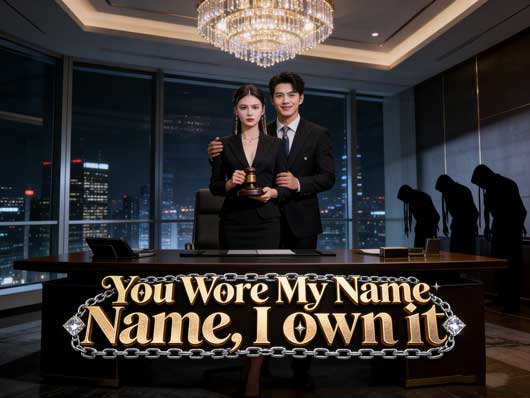
Wynter Stone enters the story not as a naive newcomer, but as a genius designer with a clear vision for reform. Married to Harold Smith, the company’s CEO, she chooses to work behind the scenes, helping modernize corporate culture, protect employees, and eliminate outdated hierarchies.
Her intentions are practical, almost restrained. She does not flaunt her status. She does not seek praise. This quiet professionalism becomes her greatest strength and, ironically, her greatest vulnerability.
The conflict ignites when a former colleague reappears, publicly claiming the title of CEO’s wife. The impostor moves freely through the office, manipulating perceptions and rewriting history with alarming ease. At the same time, a scheming design director consolidates influence, blocking reforms and spreading misinformation.
What initially appears to be personal betrayal slowly reveals structural decay. Wynter realizes that the issue goes far beyond office politics. The corruption is systemic, and her name is merely one tool in a much larger power game.
As Wynter begins her counterattack, the narrative shifts from confrontation to investigation. She gathers evidence quietly, testing alliances and exposing cracks in carefully curated lies. Each step forward threatens not just her position, but the safety of her family.
The tension escalates when Wynter uncovers signs of a deeper conspiracy that predates her arrival at the company. This revelation reframes earlier conflicts, transforming petty rivalry into a calculated network of exploitation. The stakes rise, and the drama evolves from corporate drama into psychological chess.
💃The Woman Who Refused to Perform Her Own Disappearance
American audiences are used to workplace dramas where powerful women are either loud or invisible. You Wore My Name, I Own It chooses a far more unsettling route. Wynter Stone does not disappear quietly, nor does she fight loudly. She stays. She watches. She waits.
What makes this story gripping is how it frames professional erasure as a form of violence. Wynter enters the company as a reformer with a clear moral compass, helping her husband reshape corporate culture from within. Yet the moment her presence threatens entrenched interests, her identity becomes negotiable. A former colleague steps into her place, wearing her title like borrowed jewelry, smiling for cameras, issuing orders that Wynter herself helped design.
For American viewers familiar with office politics, this scenario hits uncomfortably close to home. The impostor wife storyline is not just dramatic irony. It mirrors real workplace dynamics where credit is stolen, voices are replaced, and silence is mistaken for consent.
The drama excels in how it allows Wynter’s intelligence to drive the narrative. She does not rush to expose the lie. She understands that institutions protect confidence, not truth. Instead, she begins documenting inconsistencies, mapping alliances, and observing who benefits most from her erasure. Each meeting becomes a test. Each smile carries subtext.
What elevates this arc is how it intertwines marriage and professionalism without reducing Wynter to a supporting role. Her relationship with Harold Smith is not built on dramatic rescues but mutual recalibration. When Harold begins to notice the dissonance between the woman he married and the woman the company claims as his wife, the tension is not explosive. It is slow, internal, and deeply American in its realism. Trust is renegotiated through evidence, not emotion.
For viewers who appreciate shows like Succession or The Good Wife, this storyline delivers a familiar satisfaction. Power is not seized. It is reclaimed through competence. Wynter’s refusal to vanish becomes the most radical act in the room.
❓Why It Stands Out | Character Depth and Controlled Storytelling
What makes You Wore My Name, I Own It Chinese Drama compelling is its refusal to exaggerate its heroine. Wynter Stone is not written as infallible. She hesitates. She reassesses. She chooses restraint over spectacle. This realism grounds the narrative.
Zuo Yi’s performance captures Wynter’s internal tension beautifully. Her calm exterior contrasts with the emotional pressure she carries, making moments of resolve feel earned rather than performative. She embodies a strong female lead whose strength lies in clarity, not aggression.
Zuo Ming’s portrayal of Harold Smith avoids the cliché of the domineering CEO. Instead, he presents a leader willing to confront uncomfortable truths, even when those truths implicate people close to him. This dynamic allows the marriage to function as a partnership rather than a hierarchy.
Open DramaBox to watch for free
Supporting performances add texture. Jia Hao’s characters often hover in moral gray zones, while Yan Limin brings sharp intensity to antagonistic roles without descending into caricature. These performances enrich the atmosphere of uncertainty that defines the series.
Visually, the drama favors clean compositions and restrained camera movement. Office spaces feel polished yet cold, reinforcing the emotional distance between appearances and reality. Silence is used effectively, allowing tension to build without excessive dialogue.
From a distribution standpoint, the drama benefits from DramaBox’s global reach. With Full Episode availability, English Version releases, and English Subtitles, it reaches viewers seeking workplace focused Chinese Drama. Its First release on the entire network and Exclusive copyright status have fueled discussion across YTb, especially among audiences interested in corporate intrigue.
🔍When a Name Becomes Evidence
The final narrative shift transforms You Wore My Name, I Own It into something closer to a psychological thriller. What begins as office rivalry reveals layers of organized deception that implicate multiple departments, historical cover ups, and long standing exploitation.
For American audiences accustomed to conspiracy driven narratives, this escalation feels natural rather than forced. The drama carefully seeds clues early on. Offhand remarks. Missing files. Employees who leave without explanation. Wynter’s design work becomes a map, each project exposing inconsistencies in the company’s public values.
What makes this arc compelling is how the show treats truth as dangerous. Wynter’s growing awareness isolates her. Allies become cautious. Neutral parties retreat. The more she uncovers, the more precarious her position becomes. This tension reflects real world whistleblower narratives, where integrity carries personal risk.
The impostor wife storyline circles back here, reframed not as individual malice but as strategic misdirection. Identity theft becomes a corporate tool. Wynter’s name was never just stolen. It was repurposed to stabilize a corrupt system.
The payoff is not explosive exposure, but controlled revelation. Wynter chooses timing over drama. When the truth surfaces, it dismantles not just individuals, but narratives the company relied on to function. The resolution feels earned because it honors process rather than spectacle.
American viewers who value character driven suspense will find this ending deeply satisfying. It affirms that intelligence, patience, and moral clarity can still disrupt entrenched power.
🤔Personal Perspective | A Workplace Drama That Respects Its Audience
What impressed me most about You Wore My Name, I Own It Chinese Drama is its respect for the viewer’s intelligence. The story does not rely on coincidence or exaggerated villains. Instead, it portrays betrayal as something subtle, procedural, and deeply unsettling.
Compared to other CEO romance dramas that prioritize emotional volatility, this series leans into strategic tension. Family loyalty is tested not through melodrama, but through ethical dilemmas. Wynter’s choices feel grounded in consequence rather than impulse.
Some viewers may find the pacing deliberate, especially in the middle episodes. However, this measured approach allows the narrative to explore power dynamics with nuance. The payoff lies in recognition rather than spectacle.
As a Free Movie style viewing experience on DramaBox, it offers surprising thematic depth for a short drama. It balances romance with accountability, making it particularly appealing to viewers who enjoy stories where professional competence matters as much as emotional connection.
🔚Conclusion | Owning Your Name Is the Ultimate Victory
In the end, You Wore My Name, I Own It Chinese Drama delivers a message that lingers. Love does not require self erasure. Loyalty does not demand silence. And identity, once reclaimed, cannot be stolen again.
This is a drama for viewers who appreciate stories about power reclaimed through patience and clarity. It proves that sometimes the most powerful act is simply refusing to let others define who you are.