




I Thought You Were Him Watch Online: Obsession builds a cage, a double fails to heal the heartache
Romance DramaBox
 2026-01-09
 345
345I Thought You Were Him: Obsession builds a cage, a double fails to heal the heartache
Introduction: Deep love fades away, leaving lingering memories. A substitute appears, confusing the mind.
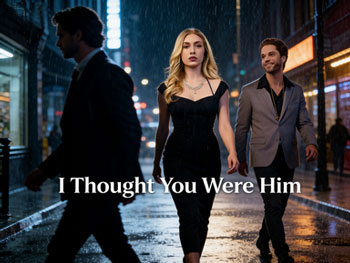
In the genre of dark romance and the tug-of-war between humanity, "I Thought You Were Him" precisely hits the emotional resonance of the audience regarding the "pain of loss" and "addiction to obsession" with its extreme setting: "The mafia princess forcibly binds a look-alike substitute after her fiancé's death." When Stella Moretti loses her beloved Silas in a gang war, her shattered heart is left empty, and the appearance of Milo, who has the same appearance as Silas, becomes her last hope. This binding that begins with obsession ultimately seeks answers in love and confusion. This article will analyze the charm of this masterpiece, which integrates mafia background, substitute love, and human struggle, from dimensions such as character portrayal of obsession, identity game, and cinematographic aesthetics, and explore the core expression of "obsession cannot overcome the truth, and a substitute cannot bring redemption" in "I Thought You Were Him".
Open DramaBox to watch for free
Plot Summary: War leads to loss of beloved, substitute fulfills heart's longing.
Stella Moretti, the princess born into a mafia family, once had an enviable love with her fiancé Silas. They promised to face the ups and downs and glories of the family together. However, a brutal gang war shattered all the beauty, and Silas tragically died while protecting Stella, leaving her with endless pain and emptiness. From then on, Stella was consumed by the grief of loss, gradually becoming withdrawn, and her entire being was enveloped by obsession and despair.
Just as Stella was on the verge of collapse, an unexpected chance occurred. She met Milo - a man who looked exactly like Silas. He had no mafia background and led an ordinary and mundane life, having no connection with Stella's world. However, the intense longing made Stella lose her mind. She disregarded Milo's will and forcibly took him away from his original life, bringing him into her mafia world filled with danger and rules.
Stella attempted to turn Milo into Silas' replacement, using his appearance to fill the void in Silas' heart. She even went to any lengths to keep him by her side. Milo was forced to leave behind his past and was trapped in a life and identity that did not belong to him, suffering greatly. As their relationship deepened, Stella saw in Milo qualities that were completely different from Silas, and Milo gradually understood Stella's vulnerability and obsession. This entanglement, starting from the obsession, will ultimately end in mutual defeat, or can redemption be found in the midst of the confusion?
Highlights: The tension is at its peak, the atmosphere of the shots is explosive, and the emotional conflicts are extreme.
1. Plot setup: The substitution plot targets emotional vulnerabilities, and the mafia background adds tension.
The core highlight of the series lies in the dual integration of "double-agent love" and "mafia background", which enhances the layers and impact of the emotional conflicts. In the early part, the background is quickly set up through "a gang war resulting in the loss of a beloved one". The death of Silas and Stella's breakdown create a powerful emotional impact, providing a reasonable motivation for the subsequent obsession and entanglement. The dark background of the mafia adds danger and a sense of destiny to the plot; the "identical double-agent" setting precisely hits the core of the pain of loss, and Stella's forced entanglement and Milo's passive resistance form the core contradiction of "obsession and freedom". Each pull is full of dramatic tension. In the middle part, the emotional changes of the two are depicted through daily interactions - Stella struggles repeatedly between "treating Milo as Silas" and "recognizing that he is Milo", and Milo wavers between "hating the constraints" and "feeling sorry for Stella". This makes the double-agent love no longer a simple one-way entanglement, but adds complexity and warmth to human nature. In the later part, the plot focuses on "the resolution of the obsession", with the crisis of the mafia family and the emotional crisis of the two intertwined, pushing the plot towards its climax. This not only meets the demands of the dramatic conflict but also deepens the theme of "redemption".

Open DramaBox to watch for free
2. Climax of the plot: The confrontation over identity erupts, and the obsession collapses instantly.
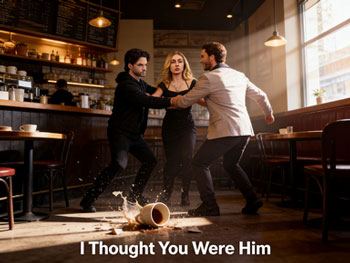
The climax of the entire drama is concentrated in the confrontation scene where "Milo resists the identity binding and Stella recognizes the reality". This scene pushes the emotional tension and the struggle of human nature to its peak. At an important family dinner, Stella forces Milo to wear Silas' clothes and imitate his words and actions, attempting to prove to everyone that "Silas is still alive". At the dinner, someone deliberately provoked Milo, exposing his "double" identity and causing chaos.
Unable to bear it any longer, Milo erupted completely. He tore off the clothes that didn't belong to him and shouted at Stella, recounting the pain of his captivity and accusing her of imposing her selfishness on him. He told Stella: "I look like him, but I'm not him. You hold onto me, but you're too afraid to face the truth that he's already dead." The camera switched to close-ups of their expressions: Milo's anger and despair, Stella's astonishment and collapse. The past and the present scenes intertwined in her mind. Silas's smile overlapped with Milo's roar. Her years of obsession crumbled instantly, and tears flowed uncontrollably. This confrontation shattered the disguise of the double agent, forcing both of them to confront their true inner feelings, with an extremely emotional impact.
3. Cinematic Language: Light and shadow reflect the state of mind, capturing the persistence and the fragmented moments of the subject.
The series is highly ingenious in its use of camera language, basing itself on a dark aesthetic. Through changes in color tones, camera movements and composition, it precisely interprets the characters' mental states and emotional transformations. When depicting Stella after Silas' death, the camera mostly uses cold tones and low-saturation images, with dim lighting and compact composition. Close-ups of her empty eyes and curled-up body, combined with slow-motion flashbacks of a gang fight, highlight her pain and despair. After Milo appears, the camera gradually incorporates faint warm light, but the warm light only surrounds Milo's features, contrasting with the darkness around, suggesting that he is the false light in Stella's darkness rather than true redemption.
When shooting scenes of the two characters' interactions, mirror shots and overlapping shots are commonly used to interweave Milo's image with Silas' flashback scenes, highlighting the awkwardness of "the double". When Milo resists and confronts, the camera uses fast editing and handheld shooting techniques to intensify the sense of conflict, with the cold tones and warm lights colliding fiercely, symbolizing the confrontation between obsession and reality. After the confrontation ends, the camera switches to soft natural light, focusing on Stella's tearful face. The light gradually brightens, symbolizing that she begins to let go of her obsession and accepts the truth of her loss. Additionally, the camera shots of the mafia scene mostly use low-angle shooting and shadow composition, highlighting the authority and danger of the family, creating a sharp contrast with the emotional lines of the two characters.
Acting & Characters: Rich and vivid characters, with the acting skills perfectly conveying intense emotions.
1. Stella Moretti (the main character): From addiction to recovery, the arc is beautifully and emotionally compelling.
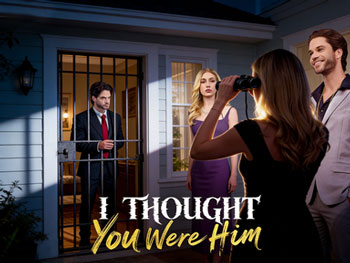
Stella is the central and soulful character of the entire drama. The actor skillfully portrays her complete trajectory from a person obsessed with shattered despair to a person who faces reality with clarity. In the early part of the performance, when Stella collapsed after losing her beloved, the actor conveyed her pain and numbness to the fullest through empty eyes, dispirited body language, and a hoarse voice. Every tiny movement revealed the despair of losing. After meeting Milo, a twisted light ignited in her eyes, the actor's firmness when forcibly binding Milo and the tenderness when facing his appearance formed a sharp contrast, vividly depicting her obsession of using a substitute as a form of redemption. In the confrontation scene, the actor's emotions progressed layer by layer, from astonishment, anger to collapse and relief. The changes in tears and eyes precisely conveyed the moment of the collapse of her obsession, making the character's growth and redemption extremely compelling.
Open DramaBox to watch for free
2. Milo / Silas (the protagonist): Struggles and divisions between dual identities, with highly recognizable acting skills
The actor played two roles simultaneously. With his meticulous acting skills, he precisely distinguished between Silas' gentle determination and Milo's ordinary stubbornness, avoiding the awkwardness of "all acting the same". When playing Silas, the actor conveyed the deep love of the fiancé in the mafia background with gentle eyes, calm body movements, and gentle tone, presenting the image of a passionate fiancé with a warm and powerful aura. When playing Milo, he instantly changed to a youthful and restrained state, with pureness and the pain of being restrained in his eyes, and depicted the anger during the resistance and the heartbreak when facing Stella's vulnerability with great delicacy. The transition between the two identities was natural and smooth. Through subtle differences in eyes, tone, and body language, the audience could clearly distinguish the two characters, and at the same time, it highlighted Milo's helplessness and struggle as a substitute, with extremely identifiable and compelling acting.
3. Members of the Mafia Family (ensemble characters): Background setting, intensifying the conflict
The members of the mafia family, although they have a relatively small role, precisely set the atmosphere of the story and strengthened the core conflict. The actor playing the elder of the family presented the rules and cruelty of the mafia family with an authoritative demeanor and cold eyes, providing a reasonable background for Silas' death and Stella's situation. The provocation and questioning of the younger members of the family not only triggered the climax of the story but also highlighted the absurdity of Stella's obsessive behavior from a side perspective, making her self-awareness more necessary. The performance of the ensemble characters made the mafia background more realistic, and the emotional tug between Stella and Milo became more intense.
Personal Opinion: The plot is deeply compelling, and the emotional twists are thought-provoking.
The aspect that most touched me in "I Thought You Were Him" is that it doesn't simply reduce the surrogate love to "sweet protection and redemption", but instead deeply explores the obsession and the complexity of human nature after the loss, conveying the profound value that "obsession is self-imprisonment, accepting the loss is redemption". The series truly shows Stella's pain and struggle - she didn't maliciously imprison Milo, but was merely dragged by the pain of loss and regarded the surrogate as a lifeline. This rationality of the obsession makes the character more relatable; at the same time, it doesn't ignore Milo's feelings. His resistance and pain broke the romantic illusion of "surrogate love", triggering viewers' thoughts on "respect and boundaries".
Open DramaBox to watch for free
Final Verdict : The prison built by obsession, redemption begins with awakening
"I Thought You Were Him" centers around the "tension between the mafia princess and the double agent". With its extreme emotional conflicts, three-dimensional character portrayals, stunning dark aesthetics, and profound exploration of human nature, it stands out among similar genres. It not only has the empathy for the pain of loss, making viewers feel sorry for Stella's brokenness and obsession; but also has the dramatic tension of the double agent's entanglement, making viewers worry about the tug-of-war between the two; and it also has profound reflections on obsession and redemption, conveying the value of "only by facing loss can one get rid of the obsession and embrace a new beginning".
If you enjoy darkly touching stories, double-agent love affairs or human struggles, or are interested in "emotional stories set against a backdrop of the mafia", this drama is definitely worth watching. From Stella's addiction and subsequent recovery to Milo's passive imprisonment and eventual freedom, every plot is thrilling and thought-provoking.