




The Tears of Mona Lisa DramaBox Full Movie Free: An Independent Woman Painted in Silence
Betrayal DramaBox
 2026-01-22
 259
259Click here to watch the revenge story of the strong female lead in [The Tears of Mona Lisa] online👈
🎨🖼️When Tears Become Brushstrokes
Some stories scream their pain. Others whisper it through stillness, restraint, and quiet transformation. The Tears of Mona Lisa belongs to the latter, unfolding like a canvas slowly revealing what the eye first misses.
Elizabeth Walton’s journey begins with hope so fragile it almost feels naive. Returning from the orphanage, she believes family is something that can be learned, practiced, and eventually earned. Instead, she walks into a carefully constructed trap. Her adoptive sister Alison rewrites the narrative of her existence, turning innocence into suspicion and affection into accusation. The result is devastating. Elizabeth is framed, imprisoned, betrayed by the man she trusted, and emotionally exiled by the very people she longed to belong to.
The series captures betrayal not as a single act, but as a pattern. Each rejection compounds the last, until Elizabeth’s silence becomes unbearable. When she disappears, the story does not chase her. It lets absence speak. That decision alone distinguishes this drama from many fast paced short series.
Five years later, Elizabeth returns not as herself, but as Q, an internationally acclaimed painter whose work commands attention without explanation. Her art does not beg for understanding. It demands recognition. This transformation is not presented as fantasy, but as survival. Reinvention becomes her language.
At its core, The Tears of Mona Lisa on DramaBox uses art as metaphor. Just as the Mona Lisa’s expression invites endless interpretation, Elizabeth’s rebirth resists simplification. She is neither saint nor villain. She is intention made visible.
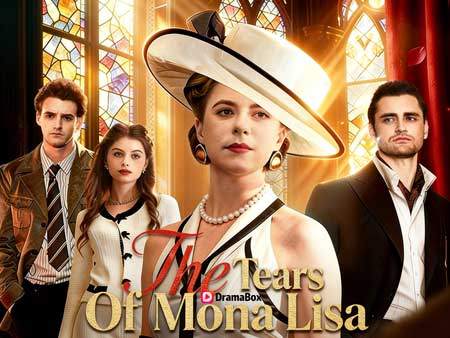
Open DramaBox to watch for free
Rewriting Identity: A Story Told Through Control and Restraint
What sets this drama apart is how carefully it handles power. Elizabeth does not return seeking loud confrontation. Her approach is strategic, precise, and emotionally disciplined. Every interaction is measured. Every reveal is earned.
Her relationship with Cooper Smith adds emotional texture without overpowering the narrative. Rather than functioning as a savior, Cooper exists as a witness, someone who sees Elizabeth as she is now rather than who she was. This subtle shift allows the romance to grow organically within a modern romance framework, avoiding the trap of reducing her growth to love alone.
The drama’s emotional arc aligns strongly with BG storytelling conventions, yet it subverts expectations by prioritizing internal clarity over external validation. Elizabeth’s strength lies not in dominance, but in self possession. This makes her one of the more compelling examples of a strong female lead in recent short drama memory.
The plot unfolds like a carefully planned revenge painting, each stroke deliberate, each reveal timed to maximum emotional effect. Yet the drama never indulges in cruelty for spectacle. Its counterattack is elegant, rooted in truth rather than humiliation.
Elizabeth embodies the evolution of an independent woman whose worth no longer depends on recognition from those who failed her. Her return is not about reclaiming a family, but reclaiming narrative authority.
The Art World as a Courtroom: When Reputation Becomes the Real Sentence
One of the most compelling creative choices in The Tears of Mona Lisa is how it transforms the art world into a moral courtroom. Elizabeth does not return to confront her past with accusations or emotional monologues. She returns with exhibitions, auctions, and carefully curated public appearances. In this drama, canvases replace verdicts, and silence becomes testimony.
For English speaking audiences, especially those familiar with stories about public image and social redemption, this approach feels instantly recognizable. The series understands something deeply modern. In today’s world, reputations are tried not in private but in rooms full of witnesses. Elizabeth’s enemies are not defeated in dark alleys or secret meetings. They are undone under gallery lights, where applause and whispers carry equal weight.
A particularly striking sequence involves Elizabeth attending an elite art auction where members of her former family are present. The camera never rushes. It allows viewers to observe micro expressions. A stiff smile. Averted eyes. A sudden realization that the woman commanding the room is the same girl once dismissed as disposable. This is not revenge driven by cruelty. It is revenge driven by undeniable presence.
What makes this satisfying for Western viewers is the restraint. The drama resists melodrama. Elizabeth does not expose past crimes outright. She lets people recognize her power before recognizing her identity. This mirrors a common fantasy among audiences who have experienced social injustice. The idea that success itself can become the most devastating response.
By framing art as influence rather than decoration, The Tears of Mona Lisa elevates its narrative. Elizabeth’s paintings are not just beautiful. They function as emotional weapons. Each piece forces observers to confront themes of abandonment, misjudgment, and selective empathy. The audience is never told exactly what the paintings mean, which mirrors how art functions in real life. Meaning emerges through reaction.
This choice gives the drama an unusually mature tone for a short series. It trusts viewers to connect dots, to sit with discomfort, and to understand that justice does not always arrive as confession. Sometimes it arrives as applause for the person you tried to erase.
Elizabeth Walton and the American Fantasy of Reinvention
At its emotional core, The Tears of Mona Lisa taps into one of the most enduring narratives beloved by American audiences. Reinvention. Not the loud kind, but the quiet, disciplined, self authored transformation that rejects victimhood without denying pain.
Elizabeth’s disappearance is not portrayed as escape. It is portrayed as refusal. Refusal to continue performing innocence for people who weaponized it against her. This distinction matters. Many dramas depict reinvention as a glow up. This series treats it as labor.
Five years pass, yet the drama never shows us a montage of easy success. Instead, Elizabeth’s return feels weighted by effort. Her confidence is controlled, not flashy. Her elegance feels practiced rather than innate. This resonates strongly with Western viewers who value earned growth over destiny.
The figure of Q, her new identity, is particularly fascinating. Q is not just a pseudonym. It is a boundary. It allows Elizabeth to exist without apology. People do not ask where she came from. They ask what she creates. In a culture increasingly obsessed with origin stories, this refusal to explain herself feels radical.
The relationship with Cooper Smith enhances this theme rather than distracting from it. Cooper does not rescue Elizabeth. He does not push her toward vengeance or forgiveness. He listens. In American storytelling, especially post MeToo narratives, this kind of male presence has become increasingly valued. Support without ownership. Curiosity without entitlement.
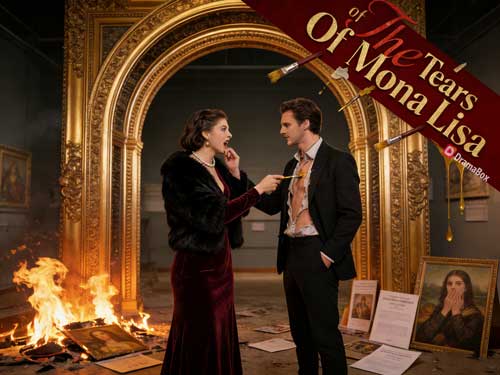
Open DramaBox to watch for free
Their interactions are understated, full of pauses rather than declarations. This subtlety makes their connection feel adult. It respects Elizabeth’s autonomy and acknowledges that intimacy does not require possession. For many English speaking viewers, this dynamic feels refreshingly aligned with modern emotional expectations.
What ultimately makes Elizabeth compelling is that she does not seek validation. When confronted with her past, she does not ask to be believed. She assumes belief will follow impact. This is reinvention not as fantasy, but as authorship. She writes herself back into the world on her own terms.
Why This Drama Feels Different From Similar Titles
Rebirth and artistic revenge have appeared in other dramas, from long form melodramas centered on misunderstood geniuses to short series built around identity swaps. However, The Tears of Mona Lisa DramaBox distinguishes itself through tone and pacing.
Unlike many comeback stroy narratives that rely on dramatic reveals and accelerated vengeance, this series embraces emotional minimalism. Silence carries as much weight as dialogue. The audience is invited to observe rather than be instructed how to feel.
Compared to other art themed revenge dramas, which often romanticize suffering, this series treats pain as something to be processed rather than glorified. Elizabeth’s trauma is acknowledged, but it does not become her defining feature. Her artistry is not born from pain alone, but from discipline, intelligence, and choice.
Visually, the drama uses composition to reinforce theme. Scenes involving Elizabeth’s past are often crowded and oppressive, while her present is framed with balance and intention. This contrast subtly reinforces her internal transformation without overt exposition.
For global audiences, accessibility enhances its appeal. Available on DramaBox as a complete Full Episode experience, the series offers both English Version options and English Subtitles, lowering the barrier for international viewers. Its Exclusive copyright status and First release on the entire network helped generate early attention, while curated clips circulating on YTb sustained discussion and discovery. For viewers seeking a Free Movie style watch that still delivers emotional depth, this drama offers remarkable value.
Personal Reflection: Quiet Power Leaves the Deepest Mark
As a viewer, I found The Tears of Mona Lisa DramaBox quietly devastating in the best way. It resists the urge to rush resolution, trusting the audience to sit with discomfort and reflection.
Some may find the pacing restrained compared to more explosive short dramas. Yet that restraint is precisely its strength. The emotional payoff feels earned because it is not forced. Elizabeth’s journey does not promise healing without scars, and that honesty elevates the entire experience.
The drama does not ask viewers to choose sides hastily. It invites contemplation. Who deserves forgiveness. What justice looks like when closure is impossible. Whether returning is always necessary to move forward.
Final Thoughts: Some Masterpieces Are Painted After the Breaking
In the end, The Tears of Mona Lisa DramaBox is less about vengeance than about authorship. It asks who gets to tell your story once the world has decided who you are.
Elizabeth’s answer is not spoken. It is painted, lived, and controlled. Like the Mona Lisa herself, her expression remains unreadable, but undeniably powerful.
For viewers drawn to emotionally intelligent storytelling, artistic symbolism, and female driven narratives that value depth over noise, this drama deserves careful attention.