




💡💼Office Wife : How to Hunt a Man Full Movie Free Online | Love Triangle & Modern Romance Short Drama | DramaBox Full Episodes Chinese Drama
💡💼Office Wife : How to Hunt a Man Full Movie Free Online | Love Triangle & Modern Romance Short Drama | DramaBox Full Episodes Chinese Drama
Love Triangle DramaBox
 2025-11-28
 264
264💡💼Office Wife : How to Hunt a Man Full Movie Free | When Vows Turn Into Vendettas: Why This Short Film Is a Wild Ride You Can’t Miss
A Tangled Web from the Desk to the Dark - Hooking You in from the First Frame
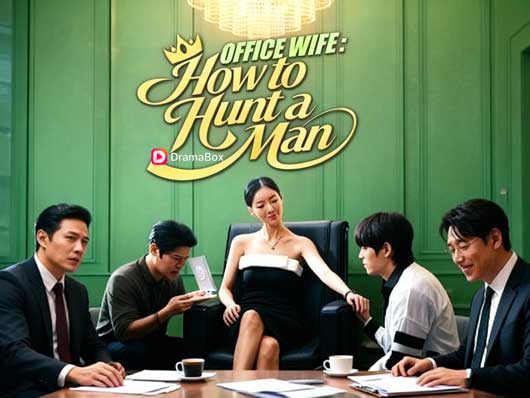
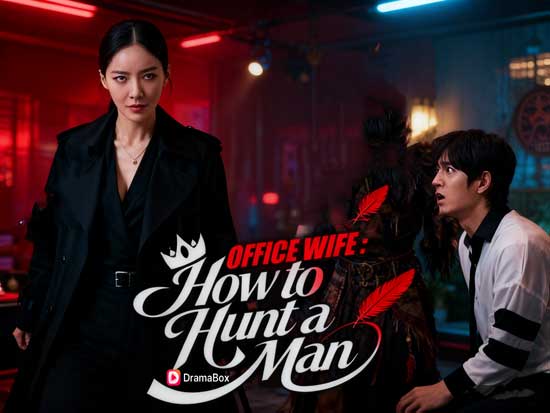
Imagine discovering your spouse’s infidelity. Most dramas ease you into the tragedy, but Office Wife : How to Hunt a Man doesn’t do subtle. Right from the start, wife turns detective. She tracks suspicious messages, walking into an office where the “mistress” is almost too obvious. But the twist? That woman isn’t the real puppet mistress at all. Instead, a Gen-Z shaman lurks behind sleek screens, pulling strings with ruthless gaslighting tactics and stomach-turning manipulation. The husband is bound, the walls echo with painful cracks, and just when everything seems darkest, a hiccup breaks the tension — and a kiss from a voyeur changes the rules.
Open DramaBox to watch for free
That chaotic, unpredictable switch of tone—tension to betrayal to reluctant alliance to explosive revenge—is the strongest move in the playbook. It transforms a typical “wife hunts cheating husband” trope into something darker, more chaotic, and greedily entertaining. If you search for Office Wife : How to Hunt a Man Full Movie Free, expect a wild ride: the movie doesn’t build gently, it lunges at you.
In the world of modern Chinese Drama rendered for global audiences on platforms like DramaBox and YTb, this film stands out for refusing to sanitize ugliness. It reminds us that betrayal isn’t neat. Revenge isn’t polite. And healing doesn’t come with subtitles.
Plot & Characters: A Love Triangle Warzone with No Rules
The protagonists are messy, human, broken — and absolutely magnetic. The wife’s transformation from betrayed spouse to determined avenger is brutal and believable. She isn’t given a redemption arc or a hero’s spotlight—instead, she becomes deeply flawed, smart, and ruthless when she needs to. That shift in her character gives the story emotional grounding, and anchors all dramatic turns that follow.
The husband is equally complicated: guilt, fear, perhaps shame—yet also desperation. Bound by ropes, vulnerable in ways viewers rarely see, he becomes a pawn first, then a woman broken by his own mistakes. His vulnerability reframes him not as a villain but as a deeply human, tragic figure. In a way, the film forces us to see betrayal as tragedy, not just wrongdoing.
Then there’s the shaman, the unexpected antagonist: young, persuasive, terrifyingly calm. She is the embodiment of modern power abuses — subtle, psychological, and chilling. Her gaslighting methods create one of the film’s most disturbing layers, and force both characters and viewers to question what is real, what is truth, and what is manipulation disguised as love.
Once the affair mask is torn off, the story evolves into a chaotic triangle, where alliances shift like sand and trust becomes the rarest currency. Scenes alternate between tense confrontations, whispered threats in dim offices, and moments of strange intimacy. Blood-soaked revenge spills into raw emotional confessions, unstable bonds, and resentments reborn as twisted passion.
Despite the mayhem, there are moments of unexpected tenderness — perhaps the film’s greatest risk, but also its greatest reward. Because when two damaged people find solace in each other at the edge of betrayal, the story becomes heartbreakingly human.
When a Marriage Turns into a Crime Scene of Emotions
There are stories about infidelity that unfold like a slow burn, simmering gently until someone finally snaps. Office Wife : How to Hunt a Man is not one of them. From the very first frame, you feel as if you’ve been shoved into an emotional crime scene where every object, every movement, every breath is a clue to a much uglier truth. The wife doesn’t walk into the office like a wounded victim. She walks in like someone who has already rehearsed the collapse of her world, who has memorized every possible betrayal scenario, yet still hopes—irrationally, heartbreakingly—that she might be wrong. But this film takes pleasure in tearing that hope apart. When she realizes that the so-called mistress is nothing more than a decoy, the real punchline hits with the force of a psychological thriller: the true mastermind is a Gen-Z shaman who gaslights with the precision of a surgeon and the coldness of a predator.
This plot twist doesn’t feel random. It feels like the perfect metaphor for modern emotional warfare. We live in an age where manipulation doesn’t always come from the expected sources, where villains smile, speak softly, and carry smartphones instead of knives. The shaman’s influence is designed to unsettle you not because she is supernatural, but because she is disturbingly believable—representative of a generation fluent in emotional algorithms, social cues, and weaponized subtlety. Watching her dismantle the husband’s psyche is like seeing someone rearrange furniture inside another person’s emotional house.
The film pulls you deeper when the husband—no longer the confident, stable figure of the marriage—appears bound and helpless. It’s a reversal that catches viewers off guard. Instead of a cheating man caught in the act, he is a man trapped in a situation where every choice he made became ammunition against him. Whether he is guilty, innocent, or something in between almost becomes irrelevant. The visual of him tied up becomes a symbol for how fragile trust truly is, how easily love can be held hostage by the smallest doubts.
Then comes the moment that breaks the cinematic tension like a slapstick interruption. A hiccup. A poorly timed, absurd hiccup. It is so unexpected, so human, so stupid that it becomes unforgettable. And in that same breath, a kiss happens—messy, impulsive, unwanted yet strangely magnetic—between the wife and a voyeur who has been quietly observing the meltdown. It transforms the emotional battlefield into a dangerous playground of shifting alliances. Suddenly the wife is no longer alone. She is reluctantly tethered to a stranger whose presence makes everything feel more unstable but also more alive.
This first section of the film establishes a tone that is hard to describe but easy to feel. It’s chaotic but precise, violent yet tender, horrifying yet weirdly funny. It understands that betrayal isn’t cinematic—it’s chaotic. Revenge isn’t heroic—it’s messy. And healing isn’t linear—it’s unpredictable. This unpredictability is the lifeblood of the drama, the force that pulls viewers forward whether they want to go or not. Because once you step into this emotional battlefield, you don’t walk away clean. You walk away changed.
Love, Manipulation, and the Art of Staying Sane in a World Built to Break You
If the beginning of Office Wife : How to Hunt a Man is about shock, the middle is about dissection—slow, methodical, surgical dissection of emotions, motivations, and the fragile threads that tie people together. The film does not rush through the aftermath of betrayal. It lingers in the uneasy silence, the trembling breaths, the slow rediscovery of truth. And as the characters peel away their illusions, what remains is a landscape of psychological rubble. The wife, now forced to reexamine her marriage, her memories, even her identity, becomes more than just a protagonist. She becomes a mirror. Her confusion is our confusion. Her anger is our anger. Her hope, the most dangerous of all emotions, becomes something we cannot help but root for—even when we know it might hurt her again.
The husband’s portrayal is surprisingly layered. Instead of reducing him to a cardboard villain, the story leans into ambiguity. Was he manipulated? Was he weak? Did he betray out of fear, or out of desire? Or was he simply too fragile to understand the consequences of his choices? The film refuses to spoon-feed the audience easy answers. In doing so, it demands we confront uncomfortable truths: people hurt each other not always out of malice, but out of cowardice, confusion, or emotional paralysis.
And then there’s the voyeur—the strange, unsettling presence who watches the chaos unfold with a mixture of fascination and empathy. His role evolves into something unexpected. He becomes the wife’s emotional counterbalance, her accidental confidant, her reluctant protector. Their dynamic is not romantic in a conventional sense. It is volatile and unpredictable, fueled by trauma rather than affection. Yet there’s something deeply compelling about the way they orbit each other, drawn together by the gravitational pull of shared brokenness.
The Gen-Z shaman remains the emotional puppeteer behind the scenes, her presence like a low hum infiltrating every thought and action of the characters. She is the villain, yes, but also the catalyst—the force that exposes the fragile architecture of relationships. Her manipulation reflects a broader commentary on modern power: how easily people can be influenced, coerced, or dismantled by someone who understands their vulnerabilities better than they do.
Through all this chaos, the film never forgets to find humor in the absurdity of human behavior. There are scenes where arguments escalate into comedy, where fear and anger blur into bizarre interactions, where survival instincts manifest as sarcasm or inappropriate laughter. This tonal blend makes the story feel painfully real. Because real grief isn’t elegant. Real rage isn’t poetic. And real healing doesn’t happen in straight lines.
What emerges from this middle act is a story not about revenge, but about emotional reconstruction. About learning how to navigate the wreckage after a storm. About choosing which pieces of yourself are worth saving, and which ones you must let go—not for the sake of forgiveness, but for the sake of survival.
Open DramaBox to watch for free
Revenge, Redemption, and the Beautiful Disaster of Being Human
The final thematic arc of Office Wife : How to Hunt a Man on DramaBox dives into the heart of emotional chaos: the point where revenge, desire, redemption, and destruction all blur into a single explosive force. What makes this film so compelling is not the brutality of its conflicts, but the softness hidden underneath. Even in the most violent scenes—blood, rope burns, screams—there are flickers of humanity that make you question whether revenge is truly the goal, or merely a desperate attempt to reclaim dignity.
The wife’s transformation becomes the emotional spine of the narrative. She doesn’t evolve into a vengeful femme fatale, nor does she crumble into victimhood. Instead, she becomes something more realistic and more powerful: a person trying to rebuild her worldview from scratch. Her decisions are sometimes noble, sometimes reckless, often messy—but always deeply human. That honesty is refreshing in a genre that often leans into exaggerated stereotypes. Here, the emotional stakes feel raw, tangible, and painfully recognizable.
The husband, too, finds his arc shifting. As the fog of manipulation clears, he confronts himself—not the monster the shaman crafted, not the weak man he fears he is, but the flawed human being who must live with the weight of his mistakes. His relationship with the wife becomes a tangle of remorse, resentment, longing, and regret. They cannot return to who they were. But the film doesn’t push them toward a forced forgiveness. It allows them to simply exist in the tension, two people wounded by love but still connected by something deeper than betrayal.
The voyeur, unexpectedly, becomes the anchor. Not a savior, not a lover, but a witness—someone who sees the characters without judgement. His presence is a reminder that sometimes healing begins not with understanding or closure, but with being seen in your most chaotic state.
The shaman’s downfall is not cinematic. It is psychological—her power unraveling the moment the characters reclaim their agency. Her control depended on confusion, fear, and emotional instability. Once the wife and husband regain their clarity, her influence collapses like a house of cards. It is a satisfying resolution not because she is defeated, but because the characters finally step out of the shadow she cast over their lives.
As the film closes, there is no perfect ending. No happily-ever-after. No clean moral lesson wrapped in a ribbon. Instead, there is a quiet acceptance. The wife finds peace in rebuilding herself. The husband finds purpose in accountability. The voyeur returns to the edges of their world, no longer a participant but forever changed. And the audience is left with a lingering ache—a bittersweet mix of closure and open-ended possibility.
This final segment reinforces why the film is so compelling: it reflects the madness of love, the fragility of trust, and the resilience of the human spirit. It doesn’t promise healing. It promises honesty. It doesn’t glorify revenge. It examines its cost. And when the credits roll, you realize the story never truly wanted to teach you about betrayal. It wanted to teach you about survival.
Why the Filmmaking Works: Violence, Vulnerability, and Visual Edge
One major strength of Office Wife : How to Hunt a Man Full Movie Free is the way it uses cinematic tools to heighten psychological and emotional chaos. Lighting often drops into shadows as betrayal unfolds, making office corridors look like torture chambers rather than corporate spaces. The camera stays too close during intimate scenes, so every quiver of a lip or flicker of an eye carries weight. The result is a film that feels less like polished melodrama and more like a raw wound exposed under harsh light.
Sound design plays a quiet but deadly role. Silence becomes heavy. Everyday office noise — keyboard clicks, phones ringing — turns oppressive when you know something dark is brewing behind the scenes. And when the shaman begins her mind games, background hums and near-inaudible whispers creep in, subtly unsettling the viewer before anything is overt.
Director choices also show boldness. Rather than pacing the story linearly, the film jumps between memory fragments, flashbacks, and present reality. That disruption in time creates confusion—mirroring what the characters feel inside. It makes you question what you saw, what you believe, and who to trust. In that confusion lies the emotional weight of the film.
Despite the low budget typical for many short films, the production value feels deliberate. Every office corner looks recycled, every hallway feels claustrophobic, and every power dynamic crackles with tension. That gritty realism makes every betrayal sharper, every emotional collapse deeper.
Where It Hits Hard — And Where It Falters
As much as the film dazzles, it carries some of the genre’s heavy burdens. For viewers who crave resolution and clear justice, the moral ambiguity might feel unsatisfying. The ending doesn’t tie up everything neatly. Some characters’ arcs are left hanging, and the revenge feels more combustive than cathartic. You finish watching with questions: Will trust ever be rebuilt? Can healing begin when wounds this deep are exposed?
Also, the shock value is high. Scenes of manipulation, emotional torture, and occasional violence may be too intense for casual watching or viewers seeking light romance. This isn’t a cuddly “office love” story — it’s a dark trip through betrayal and obsession.
But here’s the thing: the film doesn’t pretend to be light. It doesn’t promise a fairy-tale reunion. It delivers a raw, messy, sometimes uncomfortable portrait of marriage gone wrong — and the destructive power of secrets.
For those ready to face the darkness, it offers intensity few short films dare to reach. And if you accept that some wounds don’t heal with kisses or apologies, it’s a visceral, unforgettable watch.
Final Verdict: A Seductive Horror-Show Disguised as Romance — Worth the Ride
Office Wife : How to Hunt a Man Full Movie Free stands out in the crowded field of modern Chinese short dramas for its bold refusal to dip toes in safety. It dives deep into betrayal, psychological abuse, and revenge, then emerges with a brutal, beautiful mess of romance, regret, and raw humanity.
If you’re searching for a film that pushes boundaries, shakes up your expectations, and leaves you questioning the very nature of love and trust, this is it. It’s not comfortable. It’s not easy. It’s dark. But that’s the point.
I recommend this film for mature viewers who appreciate complexity and emotional depth. If you choose to watch, prepare yourself for a journey through love’s jagged mirror. And once you finish, close the tab slowly. Because some visuals won’t let go right away.