




🏃😡After I Died, He Went Mad Chinese Drama Full Movie | Toxic Love & Dangerous Relationship & Urban Romance Short Drama
Urban DramaBox
 2025-12-01
 551
551💗🔪When Love Turns into Punishment: A Deep Review of After I Died, He Went Mad Chinese Drama Full
🚪A Doorway into Darkness and Devotion: Why This Drama Hooks You Instantly
There are romance stories, there are revenge melodramas, and then there are works like After I Died, He Went Mad Chinese Drama Full, which remind viewers how heartbreak can become a lifelong sentence for two people destined to collide. This DramaBox production opens with the wedding day tragedy that changes everything, yet the emotional aftermath becomes far more devastating than the accident itself. In the world of short dramas where high stakes and intense pacing are essential, this series stands out because it gives pain a poetic rhythm and gives love a dangerous glow that is impossible to ignore.
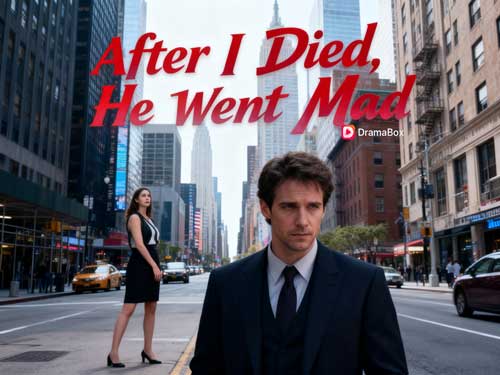
Open DramaBox to watch for free
Instead of treating this show as another urban revenge romance, it feels more like a psychological spiral that forces its characters to confront the worst parts of themselves. Lillian’s quiet endurance becomes a symbol of a wounded heart that tries to stay soft in a world that punishes tenderness. Sebastian’s obsessive torment becomes an echo chamber of his own unhealed grief. Their dynamic is not just a dangerous relationship but a portrait of two souls chained to a tragedy neither chose. This review approaches the drama from the angle of emotional transformation, examining how the characters burn, break and rebuild under the weight of their shared past.
From the beginning, the narrative rhythm already captivates viewers who enjoy Chinese Drama plots filled with complicated loyalties and moral tension. And as the tragedy unfolds, it becomes clear why audiences on DramaBox and YTb continue searching for the full episode and English subtitles to follow every emotional turn. Baby, this drama does not simply ask if love can survive hatred. It asks whether two people can remain human when fate strips everything away.
👀Falling into the Spiral: A Fresh Narrative Look at the Plot and Its Devouring Emotions
To retell the drama’s plot in an ordinary manner would do injustice to its emotional density, so let us approach it the way the story itself unfolds, like pages of a diary written under dim light. On the day Lillian steps toward her future, a drunk-driving collision destroys Sebastian’s entire family. What should have been a celebration becomes the birthpoint of Sebastian’s rage. The drama does not rely on simple flashbacks. Instead, it revisits memories through shadows, silence and small visual cues that allow viewers to feel the weight of guilt and hatred pressing against both characters.
Sebastian’s retaliation is not portrayed as a simple act of revenge but as a process of self-destruction. He imprisons Lillian physically and emotionally, demanding that she experience the hollow pain he wakes up with every morning. The scenes where Lillian sits in a dim room, reading letters she never sends, are some of the most haunting. She does not scream at the unfairness or beg for forgiveness. She simply breathes through grief like someone waiting for winter to break.
Five years pass. The world outside moves on, but Lillian’s world freezes in place until she receives a diagnosis that rewrites everything. One week left to live. One week to reclaim her dignity. One week to repay cruelty with kindness. Her decision to treat death not as defeat but as freedom creates the turning point that elevates this show far beyond standard revenge plots. She starts speaking gently to the people who hurt her. She begins completing small wishes. She chooses compassion over bitterness. This philosophical inversion surprises viewers who might expect a final outburst or revenge twist.
Meanwhile, Sebastian continues the torment without knowing she is counting down her last days. His cruelty suddenly appears hollow, and the dramatic irony becomes sharp. Every time he raises his voice, the audience feels a sting because they now understand she is already slipping away.
This emotional contrast brings thousands of viewers searching for After I Died, He Went Mad Chinese Drama Full clips, recaps and the English Version with English Subtitles. It is a narrative technique that blends tragedy, Romance and psychological tension, making the show feel like a Free Movie that plays directly on the heart.
🏃Character Crafting, Emotional Precision and Production Strengths
The strongest light in this series comes from the writing of Lillian’s transformation. Many urban dramas portray suffering as a catalyst for external revenge, yet here the suffering creates inner clarity. Her soft tone, lowered gaze and quiet movements show how she resists cruelty not with counterattack but with a deliberate refusal to let hatred change her. It is a performance crafted with incredible restraint. The actress delivers every line with the calmness of someone who sees the world fading yet still chooses to leave gentle footprints behind.
Sebastian’s character, on the other hand, illustrates the anatomy of obsessive grief. Instead of flattening him into a simple villain, the production allows him moments of helplessness, confusion and unspoken vulnerability. His emotional breakdowns are shot with close-up framing that reveals the trembling in his eyes. Viewers may not justify his cruelty, but they begin to understand what grief has carved inside him.
Cinematography plays a subtle but powerful role. Soft lighting during Lillian’s reflective scenes, cold tones during Sebastian’s anger and muted color palettes during flashbacks all work together to create an emotional rhythm. The camera lingers not on violence but on trembling hands, empty hallways and quiet tears, giving the storytelling a literary quality rarely seen in short-format Chinese Drama.
The pacing, while fast, never feels chaotic. Instead, it mirrors the urgency of a life running out of time. DramaBox’s exclusive copyright distribution ensures consistent visual quality through each Full Episode, and the smart scene transitions help new viewers follow the emotional timeline effortlessly.
Even the supporting Cast contributes meaningfully. Their subtle reactions highlight the psychological weight of the main duo’s choices. For viewers searching for high-intensity Romance blended with Toxic Love and moral dilemmas, this drama provides exactly the emotional punch they seek. That is why searches for After I Died, He Went Mad Chinese Drama Full remain high across different platforms.
🏠The Tragedy That Breathes Like a Living Creature
There are dramas that begin with sorrow, and then there are dramas like After I Died, He Went Mad, where tragedy does not simply introduce the story but becomes a living creature that crawls beneath every scene. The moment Lillian steps into her wedding dress, the world imagines a future filled with the softness of newlywed dreams. Yet fate, cruel and unpredictable, decides to twist her joy into a lifelong reminder of how love can collapse in a single breath. The accident that steals Sebastian’s parents is not filmed as a spectacle but as the quiet shattering of two families, and this artistic choice makes the pain feel personal even to viewers who know it is fiction. As the tears dry and the daylight fades, Sebastian makes a decision that transforms him from a grieving son into someone who sees vengeance not as an action but as a necessity. His pain becomes his compass, and that compass points only toward Lillian.
The series excels because it understands that revenge is not loud. It is slow. It drips. It coils around a person’s heart until all they can hear is the echo of what they lost. Sebastian’s imprisonment of Lillian is not portrayed with physical intensity but with emotional suffocation. She is not locked behind metal bars. She is locked behind his grief, and that is far more terrifying. Every room she enters seems to shrink, as if his memories are chasing her through hallways she cannot escape. Even the air feels heavy, as though their shared past hangs above them like an unspoken curse. Lillian’s silence becomes one of the most heartbreaking parts of the entire story. It is not the silence of defeat. It is the silence of someone who knows that shouting will not reverse fate.
As the narrative jumps five years ahead, viewers expect something grand, yet the show chooses subtlety. Lillian is older, not in appearance but in spirit, her eyes carrying the softness of a woman who has learned to breathe through storms. When she receives her diagnosis, the entire emotional direction of the drama shifts. Instead of fear, she feels release. Instead of bitterness, she feels clarity. She begins to observe Sebastian not as her tormentor but as a man trapped by memories he cannot forget. The brilliance of this shift lies in how gently it is portrayed. The scenes glow with quiet simplicity. A cup of warm water. A late-night conversation with no answers. A moment where she looks at the sunrise as though she is learning the meaning of peace for the first time. And viewers, even those who came for revenge, suddenly realize they are watching a story about how love survives its own ruins. The drama does not beg for sympathy. It simply shows human vulnerability with a fearlessness that very few short dramas dare to embrace.
Love Like a Knife, Revenge Like a Mirror
If one were to describe After I Died, He Went Mad with a single phrase, it would be this: love that cuts and revenge that reflects. Every encounter between Lillian and Sebastian feels like standing in front of an emotional mirror. He sees the source of his pain; she sees the proof of his hatred. Yet beneath the raw cruelty, there is always a flicker of something else lingering between them, the kind of delicate warmth that refuses to die even when buried under grief. Viewers might not understand this bond at first, but the drama deliberately shapes it with contradictions. In one scene, Sebastian’s voice trembles with rage as he blames Lillian for everything he has lost. In the next, he stands in the hallway long after she leaves, unable to step away because her existence has become the last connection he has to the life he used to know. The writing is sharp, yet the emotions are messy, creating a narrative that feels painfully human.

Open DramaBox to watch for free
Lillian’s transformation during her final week of life becomes the emotional centerpiece of the series. She stops waiting for Sebastian to soften. She stops wishing for the past to be rewritten. Instead, she begins to choose actions guided not by fear but by a tenderness that shocks everyone around her. She comforts the servants who once ignored her suffering. She thanks the guard who brings her meals. She even speaks to Sebastian with a calmness that unsettles him more than any rebellion could. It is here that the drama reveals its most profound message: sometimes the strongest form of resistance is choosing compassion when the world expects revenge. Lillian’s quiet kindness becomes the story’s pulse, a soft and steady heartbeat reminding viewers that dignity can exist even in the darkest circumstances.
Sebastian’s reactions grow increasingly unpredictable. His anger becomes fractured. His words become hesitant. His cruelty loses its purpose. He feels something slipping away, and the fear of losing Lillian sends him spiraling between denial and longing. Viewers can sense that he does not understand why her gentleness breaks him more than her tears ever did. The emotional tension reaches a level where the audience cannot decide whether to hate him, pity him or hope he redeems himself. This complexity is one of the show’s greatest strengths. It refuses to present characters as simple heroes or villains. Instead, it exposes them as imperfect humans shaped by trauma and desire. By the time Lillian quietly accepts her own ending, the audience realizes the drama has circled back to its central theme: love is not always about healing someone. Sometimes it is about letting go with grace.
💔A Show That Hurts, Heals and Stays in the Mind Long After the Screen Fades
Personally, this series struck me harder than I expected. Many revenge melodramas entertain viewers through exaggerated conflict, yet this one chooses emotional honesty. The beauty of the drama lies not in how much the characters suffer but in how they choose to face that suffering. Lillian’s final days remind viewers that kindness can be a rebellion. Her decision to rise above hatred feels far more powerful than any revenge plan could have been.
Sebastian’s journey, though darker, adds depth to the message. The show suggests that grief, if not confronted, can transform love into punishment. Viewers may not forgive him easily, yet they will recognize how tragedy twists even the strongest human bonds. The contrast between their emotional paths leaves a quiet ache that lingers after the final scene.
If you enjoy stories that explore obsession, redemption and the fragile line between love and destruction, this is absolutely a DramaBox title worth watching. The English Version and English Subtitles allow global audiences to connect with the emotional textures that define the series. It is rare for a short drama to deliver such psychological detail while maintaining the addictive pace typical of the genre.
In conclusion, After I Died, He Went Mad Chinese Drama Full is more than a trending title. It is a haunting emotional journey crafted with precision, heart and unforgettable performances. Whether you watch it for the Romance, the moral complexity or the beautifully painful character arcs, this drama offers something that stays with you long after the final frame fades.