




🎻🔥Hot Through Ashes Their Sorrow Awakens Full Movie Dramabox: Fake Death and The Queen of Vengeance's Concealed Identity
Revenge DramaBox
 2025-12-05
 1859
1859🎻🔥Hot Through Ashes Their Sorrow Awakens Full Movie Dramabox: Fake Death and The Queen of Vengeance's Concealed Identity
🖤 The Anatomy of Betrayal and the Art of the Elegant Exit
In the burgeoning landscape of short-form serial dramas, where high-octane plot and immediate gratification are the currencies of choice, Through Ashes Their Sorrow Awakens (TATSWA) emerges as a sophisticated entry that expertly marries melodrama with a deeply satisfying narrative of self-reclamation. This isn't just another tale of a heroine wronged; it's a meticulously structured 56-episode analysis of deep familial toxicity, gaslighting, and the supreme power of strategic absence. For viewers who cherish the thematic weight of a classic Revenge tragedy but demand the modern empowerment of a flawless Counterattack, this Dramabox original provides a catharsis that is both immediate and enduring.
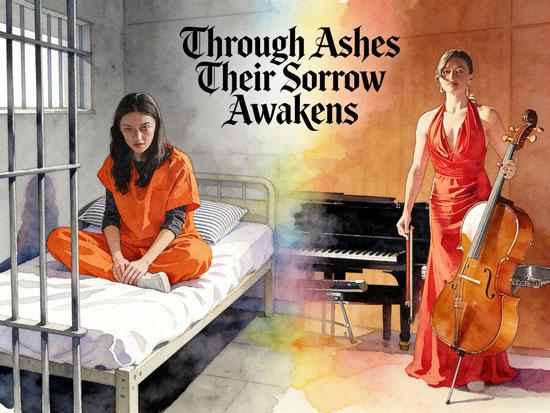
The core strength of TATSWA lies in its unapologetic establishment of a central injustice so profoundly shocking it compels the audience to invest in Ashley Langston's fate. Ashley, the legitimate daughter, is not just disliked; she is actively dehumanized and imprisoned due to the calculated manipulation of her adopted sister, Lilith. The collective failure of the Langston family—parents Margaret and Edward, brother Philip, and fiancé Ethan—to see the truth is not merely a plot device; it serves as a powerful commentary on selective blindness and the human tendency to prioritize the convenient narrative over the truthful one. They are the epitome of the Golden Child/Scapegoat dynamic, pushed to its most destructive extreme.
Open DramaBox to watch for free
🔥 Part I: The Crucible of Cruelty – Manufacturing the Scapegoat
The initial episodes of TATSWA are a masterclass in narrative tension, designed to push Ashley to the absolute breaking point, thereby justifying the extreme measures she ultimately takes. Her release from prison is devoid of warmth; it’s a jarring reentry into a hostile environment where the family’s priority is Lilith’s cello recital, underscoring their chronic emotional neglect.
The Weapon of Gaslighting
The conversations upon her return are a study in textbook gaslighting. Ethan’s accusation, "You can keep playing the victim here. You are the one who pushed her down the stairs," is a line that perfectly encapsulates the victim-blaming culture. The abusers have not only destroyed Ashley’s life but have successfully rewritten history, forcing Ashley to exist in a reality where she is the villain and Lilith, the malicious schemer, is the fragile victim. The family’s unwavering faith in Lilith, despite Ashley being their own flesh and blood, speaks to a psychological comfort found in maintaining the status quo, even if that means perpetuating a monstrous lie.
The genius of Lilith’s villainy is her utilization of subtle, yet devastating, psychological tactics. The scene at the concert hall, where she exploits Ashley’s prison scars only to immediately divert attention by faking an ankle injury, showcases her manipulative prowess. It’s a theatrical move designed to ensure Ashley remains invisible. The episode involving the dog and Ashley's severe allergy is arguably the show's cruelest moment. This act of intentional harm, where Lilith prevents Ashley from reaching her inhaler and then flips the script to frame Ashley as the aggressor, solidifies Lilith as a sociopathic antagonist, and the family as irredeemably foolish. Their decision to rush the dog to the vet while Ashley lies gasping on the floor is a poignant metaphor for their inverted values—they value an animal’s comfort over their daughter’s life.
The Climax of Abandonment
The staged kidnapping and bomb threat serve as the narrative’s moral crucible. Lilith’s direction to the kidnappers—"hit her where it won't leave a mark"—is chillingly calculated, reflecting a cold, strategic malice designed to inflict pain without leaving forensic evidence.
The family’s choice to save Lilith and abandon Ashley, who they believe is moments from death, is the final, irreversible betrayal. It is a moment of pure, raw narrative power. Their subsequent conviction that Ashley must be the mastermind of the kidnapping and time bomb because she survived is a profound reflection of their deeply ingrained cognitive bias against her. They are incapable of seeing her as anything other than a source of trouble. Ashley’s resulting claustrophobic breakdown in the dark room, forced to confront her prison trauma, is the narrative’s tragic nadir, setting the stage for the epic rebirth.

Open DramaBox to watch for free
🎭 Part II: The Phoenix Rises – Identity, Mastery, and Karmic Debt
Ashley’s decision to stage her own death is a cinematic masterpiece of ultimate self-liberation. It’s a psychological reset, a metaphorical ritual burning of her past self and the chains of her family’s toxicity. By creating the charred corpse, she doesn't just escape; she becomes a ghost, a perpetual source of guilt that will haunt her betrayers for years.
The Power of Truth and Regret
The simultaneous delivery of the prison videos—undeniable proof of Lilith’s instruction to have Ashley assaulted—is the perfect narrative trigger for the family's awakening. This is the moment of devastating realization, the "come-to-Jesus" moment the audience has been waiting for. The family’s tears and regrets are a bitter tonic. They haven't just lost a daughter; they have lost their peace and their moral compass. Ethan’s physical retaliation against Lilith—the sharp slap—is a visceral eruption of years of misplaced love and monumental self-deception. The swift justice of seeing Lilith thrown into prison, suffering the exact fate she engineered for Ashley, completes the first arc of Revenge. It's a textbook example of "Poetic Justice."
The Concealed Identity and the Cello as a Symbol
Ashley's transformation under the mentorship of Mr. Winkler is the glow-up of the decade. The cello is not just a musical instrument; it is a symbol of her innate talent, her disciplined focus, and her new, unburdened life. By becoming a renowned cellist, Ashley achieves professional and personal mastery entirely separate from the Langston name and fortune. This arc is deeply resonant with classic literary tropes of the exiled hero returning in a new guise—think The Count of Monte Cristo filtered through a modern lens of female empowerment and artistic excellence. She hasn't just escaped; she has elevated her life to a level her old family could never reach.

Open DramaBox to watch for free
👑 Part III: The Ultimate Flex – The Queen of Indifference
The final act of Through Ashes Their Sorrow Awakens shifts from physical Revenge to profound psychological warfare. Ashley, now thriving under her Concealed Identity, confronts her past not with anger, but with the cold, cutting edge of indifference.
Indifference as Vengeance
The encounter with Ethan at her concert is the narrative peak of her Counterattack. Ethan, broken and regretful, recognizes the woman he lost, yet Ashley’s cool, polite denial—"You've mistaken me for someone else"—is the most devastating blow she could deliver. There is no need for grand speeches or gloating. Her success and her refusal to acknowledge their shared history render him insignificant. This scene is a powerful subversion of the typical Revenge climax. Her new partner, who shields her from Ethan’s desperate reach, symbolizes the boundary she has erected. Ashley's life has moved to a plane where her former family exists merely as uncomfortable shadows from a distant past. She has mastered the art of the elegant exit, and her silence speaks volumes.
The Cycle of Abuse and Redemption
Meanwhile, Lilith’s continued suffering in prison, where she is subjected to the very bullying she orchestrated, is a constant, satisfying echo of karmic retribution. Her plan to repeat the bombing scenario upon release highlights a key theme: the cycle of the abuser. Unable to evolve or cope with her failure, she resorts to her only known pattern of malice, setting up a final confrontation that will showcase Ashley’s new strength and resourcefulness against Lilith’s predictable villainy.

Open DramaBox to watch for free
🌟 Final Verdict: A Masterpiece of Emotional Weight
Through Ashes Their Sorrow Awakens succeeds because it grounds its sensational drama in relatable emotional trauma. It provides a blueprint for reclaiming agency after profound betrayal. The show's commitment to delivering a truly satisfying ending, where the heroine not only survives but thrives on her own terms, makes it a standout on the Dramabox platform. It’s a rallying cry for anyone who has ever felt overlooked, misunderstood, or abandoned. This is the Revenge drama we needed—one where the final victory is not just over the villain, but over the pain of the past itself. The narrative is taut, the performances are compelling, and Ashley Langston's transformation is nothing short of inspirational.
Rating: 5/5 – The definitive comeback story of the season.
Don't miss the ultimate transformation. Witness Ashley Langston’s Counterattack and the family’s reckoning.
Click here to watch all episodes of Through Ashes Their Sorrow Awakens on Dramabox!