




I Thought You Were Him Full Movie Watch Online 4K: When Grief Turns Into Obsession and Love Becomes a Dangerous Substitute
Concealed Identity DramaBox
 2026-01-08
 463
463🫀🔥I Thought You Were Him Full Movie Review: When Grief Turns Into Obsession and Love Becomes a Dangerous Substitute
Click here to experience the "alternative to love" in I Thought You Were Him online 👈
A Face You Cannot Forget: Why I Thought You Were Him Full Movie Refuses to Let Go of the Viewer
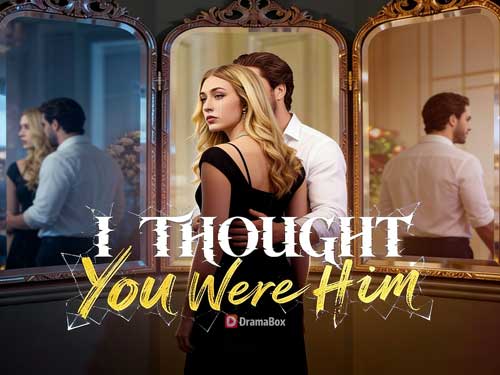
What would you do if the person you loved most was taken from you overnight, and then suddenly appeared again in front of you, alive but not quite the same? This is the unsettling emotional question at the heart of I Thought You Were Him, a DramaBox short drama that turns grief into narrative fuel and mistaken identity into a psychological battlefield.
At first glance, this series may look like another fast paced romance with a dark aesthetic, but it quickly proves itself more layered than expected. The story does not ask whether love can be reborn, but whether it should. Instead of offering comfort, it places the audience inside Stella Moretti’s fractured inner world, where loss is unresolved and longing mutates into control. The result is a tense emotional experience that feels both intimate and dangerous, a hallmark of short form dramas that aim to hook viewers within minutes.
What makes this title stand out in the crowded DramaBox catalog is not just its dramatic premise, but its emotional honesty. Stella is not written as a softened heroine who gently mourns and moves on. She is volatile, wounded, and unapologetically selfish in her desperation. Milo, the man who resembles her dead fiancé Silas, is not a fantasy replacement but a living reminder that memory and reality rarely align. Their collision creates a story that feels raw, unsettling, and strangely addictive.
Open DramaBox to watch for free
Love, Loss, and the Wrong Man: Through Obsession Rather Than Fate
Instead of unfolding in a linear romantic arc, I Thought You Were Him Full Movie structures its story around emotional rupture. Stella Moretti grows up in a world defined by power, loyalty, and violence, a mafia environment where survival often matters more than morality. When Silas is killed in a brutal gang conflict, the loss does not simply break her heart, it destabilizes her identity. Silas was not only her fiancé but also her emotional anchor in a world that rarely allowed vulnerability.
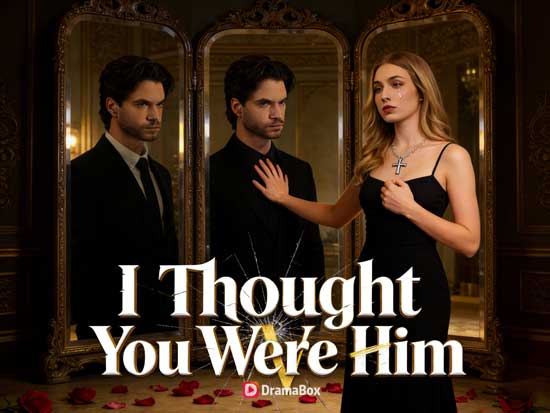
Then Milo appears. He looks exactly like Silas, yet his life could not be more different. He has no connection to crime, no understanding of Stella’s world, and no intention of becoming part of it. This contrast is crucial. The series carefully builds tension by placing an ordinary man into an extraordinary situation, forcing him to navigate affection, fear, and coercion all at once. Stella’s decision to pull Milo into her orbit is framed less as romance and more as emotional survival, a coping mechanism disguised as love.
The narrative leans heavily into themes of mistaken identity and love after breakup, but it does so with a darker psychological edge. Stella does not confuse Milo for Silas in a literal sense. She knows the truth, yet refuses to accept it emotionally. This conscious denial adds complexity to her character and elevates the drama beyond surface level romance. Each episode pushes the audience to question whether Stella wants Milo as a person or simply as a vessel for her unresolved grief.
Visually, the show reinforces this tension through intimate close ups and controlled pacing. Scenes linger just long enough to make the viewer uncomfortable, especially during moments when Milo realizes he is being projected upon rather than truly seen. This storytelling approach aligns well with the expectations of modern romance audiences who crave emotional intensity rather than fairy tale resolutions.
When the Past Knocks on the Door Wearing a Stranger’s Face
There is something deeply unsettling about seeing the past return without permission, especially when it arrives wearing the exact face you buried. I Thought You Were Him understands this fear instinctively and uses it as its emotional engine. For Stella Moretti, grief does not fade quietly. It waits, sharp and patient, until it finds a form to inhabit. Milo becomes that form. His resemblance to Silas is not treated as coincidence or destiny, but as a psychological trap that snaps shut the moment Stella lays eyes on him. From that instant, the series stops being a simple romance and transforms into a study of unresolved loss disguised as desire.
What makes this storyline particularly appealing to American and English speaking audiences is how unapologetically it leans into emotional excess. Stella does not hesitate, explain, or seek approval. She acts. She interrupts Milo’s ordinary life with the confidence of someone who has never been told no. This boldness taps into a familiar dramatic fantasy where power, wealth, and trauma collide. Viewers are pulled into the uncomfortable thrill of watching a woman who has everything except peace attempt to rebuild her world by force. It is not romantic in a traditional sense, but it is intensely watchable.
The writing plays cleverly with audience expectations. In many modern romance stories, a look alike would spark confusion, humor, or fate driven attraction. Here, it sparks control. Stella does not want to fall in love again; she wants continuity. She wants to rewind time without doing the emotional work of letting go. Milo senses this imbalance almost immediately, and that awareness creates tension in every shared scene. He is drawn to Stella’s vulnerability, yet disturbed by the way she studies him, as if measuring how closely he matches a memory rather than responding to who he is now.
This dynamic resonates because it reflects a darker truth about relationships formed in the aftermath of trauma. Love after loss is rarely clean. It is messy, selfish, and often unfair to the person asked to fill a void they did not create. The show does not soften this reality. Instead, it amplifies it, allowing viewers to experience both the seduction and suffocation of being wanted for the wrong reasons. By the end of this section of the story, the audience is no longer asking whether Stella and Milo will end up together. They are asking whether either of them will survive the emotional consequences of pretending that past and present can be seamlessly stitched together.
Power, Desire, and the Thin Line Between Protection and Possession
As the story deepens, I Thought You Were Him begins to reveal its most compelling layer: the blurred boundary between care and captivity. Stella’s world is built on loyalty enforced by fear, and when she brings Milo into it, she frames her control as protection. This justification feels disturbingly believable. She offers him luxury, safety, and attention, all wrapped in the language of concern. Yet beneath every gift lies a condition: stay, become, comply. For viewers, this raises an uncomfortable question that lingers long after each episode ends. At what point does devotion become domination?
American audiences are particularly drawn to narratives that explore power dynamics with psychological nuance, and this series delivers. Milo is not physically chained, but emotionally cornered. He cannot simply walk away without consequences, both emotional and external. Stella’s influence extends beyond affection into every aspect of his environment. The camera reinforces this imbalance by frequently placing Stella in positions of visual dominance, standing while Milo sits, watching while he sleeps, deciding while he hesitates. These choices subtly remind the viewer who holds control, even in moments that appear tender.
What elevates this storyline beyond surface level drama is Milo’s internal conflict. He is not portrayed as helpless or naive. He understands that Stella is projecting another man onto him, and yet he stays longer than logic would suggest. Part of him is curious. Part of him is flattered. Part of him wonders whether being wanted this intensely might be a form of love, even if it is warped. This complexity makes his choices relatable, especially to viewers who have experienced relationships where affection and manipulation coexist.
The mafia backdrop intensifies these emotional stakes without overwhelming them. Violence exists mostly at the edges of the narrative, a constant reminder of what Stella is capable of if threatened. This restraint works in the show’s favor, allowing psychological tension to take center stage. When danger does surface, it feels earned and alarming rather than sensational. The audience understands that Stella’s desperation is not just emotional but existential. Losing Milo would mean confronting Silas’s death for a second time.
By leaning into this slow burn psychological pressure, the series taps into a growing appetite for darker romantic storytelling. It invites viewers to question their own boundaries. Would they leave if offered everything they wanted at the cost of being truly seen? Or would they, like Milo, stay a little longer, hoping that affection might eventually turn into genuine connection? This moral ambiguity is what makes the drama linger, transforming it from disposable entertainment into a conversation starter.
Open DramaBox to watch for free
A Dangerous Fantasy That Knows Exactly What It Is Doing
By the time I Thought You Were Him reaches its emotional peak, it becomes clear that the show is fully aware of its own provocation. It does not ask the audience to approve of Stella’s choices, only to understand them. This self awareness is crucial. The series positions itself as a dangerous fantasy, one that explores obsession without glorifying it. Stella is magnetic, powerful, and undeniably compelling, but she is also deeply broken. Her refusal to grieve properly creates ripples that affect everyone around her, especially the man she insists on keeping.
What resonates strongly with Western viewers is the show’s refusal to moralize too neatly. There is no sudden redemption arc, no convenient realization that love means letting go. Instead, the narrative allows consequences to unfold gradually. Milo begins to assert his individuality in small, defiant ways, challenging Stella’s fantasy of replacement. These moments are quiet but powerful. A different expression, a delayed response, a choice that reminds Stella that he is not Silas. Each act of resistance cracks the illusion she has built, forcing her to confront the truth she has been avoiding.
The emotional climax of the series thrives on this tension. Love, when mixed with fear of abandonment, becomes volatile. Stella’s affection shifts unpredictably between tenderness and control, creating scenes that feel electric and unsettling at the same time. This unpredictability is precisely what keeps viewers watching. The show understands that comfort is not what draws people to drama. Conflict does. And here, the conflict is not just between characters, but within the idea of love itself.
For audiences accustomed to clean romantic arcs, this story offers something riskier. It suggests that not all love stories are meant to be aspirational. Some exist as warnings, reflections, or emotional experiments. I Thought You Were Him occupies this space confidently, inviting viewers to indulge in the intensity while remaining aware of its cost. It is the kind of series that sparks late night discussions, social media debates, and divided opinions, which is often the mark of content that resonates beyond its runtime.
In the end, the drama does not promise healing. It promises honesty. It acknowledges that grief can twist desire into something unrecognizable, and that wanting someone is not the same as loving them. For viewers seeking a short drama that dares to explore emotional darkness without apology, this series delivers a bold and memorable experience that lingers long after the final scene fades.
Main Cast Spotlight
Stella Moretti
Played by Katelyn Rose Downey (原名:Katelyn Rose Downey)
Born on February 15, 2009, in Dublin, Ireland, Katelyn Rose Downey is a rising actress known for her emotionally intense performances. She previously appeared in The Nun II (2023), The Princess (2022), and A Rare Breed. In I Thought You Were Him, she delivers a bold and haunting portrayal that anchors the entire series.
Silas / Milo
Played by Kenny Resch (原名:Kenny Resch)
Born on December 26, 1994, Kenny Resch is an actor and director recognized for works such as Relentless Love (2025), After Divorce, I Built a Fabulous Life (2025), and Killer Fortune Teller (2024). His nuanced performance adds emotional realism to a character caught between identity, desire, and survival.
Performances, Atmosphere, and Emotional Risk
One of the strongest aspects of I Thought You Were Him Full Movie is its commitment to character driven storytelling. Katelyn Rose Downey’s portrayal of Stella is the emotional backbone of the series. She captures the contradiction of vulnerability and dominance with remarkable control, shifting seamlessly between tenderness and menace. Stella is not written to be likable, and Downey embraces that risk fully, allowing the audience to feel both sympathy and unease.
Kenny Resch brings a grounded presence to the dual emotional weight of Silas and Milo. Even though Silas appears mainly through memory and emotional shadow, his absence is deeply felt. As Milo, Resch plays confusion and resistance with subtlety, resisting the temptation to romanticize his captivity. This choice reinforces the ethical tension of the story and prevents the narrative from slipping into glamorized obsession.
From a production standpoint, the series benefits from its concise format. Each Full Episode feels purposeful, cutting out filler and focusing on emotional escalation. The cinematography favors muted tones and controlled lighting, reflecting Stella’s internal emptiness. Dialogue is sharp and often minimal, allowing silence and body language to communicate what words cannot.
For viewers searching for a Free Movie experience on DramaBox that still delivers cinematic intensity, this title offers a compelling option. The English Version with English Subtitles ensures accessibility, while its exclusive copyright status and first release on the entire network add to its appeal among international audiences who follow trending short dramas on platforms like YTb and DramaBox.
Personal Take: A Romance That Dares to Be Uncomfortable
Watching I Thought You Were Him Full Movie is not an easy emotional ride, and that is precisely why it works. This is not a story designed to comfort or reassure. It challenges the audience to sit with moral ambiguity and emotional damage. Stella’s actions are often disturbing, yet understandable within the logic of her grief. Milo’s vulnerability forces the viewer to confront the darker side of romantic obsession, especially when power dynamics are involved.
If there is one potential drawback, it lies in the pacing toward the later episodes, where some emotional beats could have been allowed more space to breathe. However, within the constraints of short drama storytelling, the series manages to maintain intensity without overstaying its welcome.
For fans of mafia themed narratives with a psychological twist, or viewers interested in modern romance stories that explore emotional dependence rather than idealized love, this DramaBox production is worth the time. It does not offer easy answers, but it leaves a lasting impression, which is ultimately what strong drama aims to achieve.
Final Thoughts: When Memory Becomes a Cage
At its core, I Thought You Were Him Full Movie is about the danger of refusing to let go. It asks whether love can survive when it is built on absence and projection rather than mutual recognition. Stella’s journey is not one of healing, but of confrontation, with herself, her past, and the cost of clinging to what no longer exists.
As short form dramas continue to evolve, this series stands as an example of how emotional depth and narrative risk can coexist within a limited runtime. It invites discussion, discomfort, and reflection, making it more than just another romance in the endless scroll. If you are looking for a DramaBox story that stays with you after the screen fades to black, this one deserves a watch.