




You Make the Decisions, I Take the Throne: The Patience of a Puppet in the Workplace, and the Planning for a Backing-Up Strategy in Adversity
Counterattack DramaBox
 2026-01-09
 193
193You Make the Decisions, I Take the Throne: The Patience of a Puppet in the Workplace, and the Planning for a Backing-Up Strategy in Adversity
Introduction: Taking revenge to take the lead, enduring patiently to prepare for a breakthrough.
In the genre of workplace dramas and human nature struggles, "You Call the Shots, I Take the Throne" precisely hits the emotional resonance of audiences regarding "workplace injustice" and "patiently achieving a comeback" with its sharp plot - "Taking on the role of CEO out of gratitude but becoming a puppet; struggling in difficulties to secretly plan strategies". When Mona Lark, in gratitude to Max Leed, signed a two-year contract to take charge of SkyTech, she discovered that the real power-holders were Max's son, Zac Leed. This workplace journey, which began as an act of gratitude, turned into a torment of being manipulated at will. This article will analyze the charm of this masterpiece that combines workplace conflicts and human nature struggles from dimensions such as character portrayal, plot arc development, and camera atmosphere creation, and explore the core expression of "Patience is not cowardice, and retreat hides sharpness" in "You Call the Shots, I Take the Throne".

Open DramaBox to watch for free
Plot Summary: Plotting revenge, seizing control of the shell power, and creating numerous obstacles to seek a way out.
Mona Lark gained considerable fame in the business world due to her outstanding abilities and extraordinary courage. All of this was made possible thanks to Max Leed's previous support and assistance. When Max extended an invitation to her, asking her to serve as the CEO of his company SkyTech for a period of two years, Mona, filled with gratitude, readily accepted without hesitation and signed the contract that carried the weight of gratitude and responsibility.
However, after joining the company, Mona discovered that the real power in SkyTech had long been in the hands of Max's son, Zac Leed. As the CEO, she was merely a figurehead with no real authority. Everything had to be subject to Zac's control, and he would arbitrarily command and severely trouble her. Even though Mona managed to turn the company around and stabilize the situation many times when it faced crises due to her professional abilities, she still received no recognition or respect from Zac. Instead, his harassment became even more severe.
Zac not only casually tore up the company's core design plans, arbitrarily dismissed the security personnel, but also deliberately alienated important clients, gradually undermining the foundation of the company. Eventually, he even degraded Mona to a low-level servant, completely trampling on her profession and dignity. Facing Zac's relentless pressure and the desperate situation in the workplace, Mona did not give in. As the two-year contract period drew near, she appeared to be meek and compliant on the surface, but secretly laid out plans, and a plot about the escape route and counterattack was quietly unfolding. Mona's final choice was to completely withdraw or fight back to regain the initiative?
Highlights: Severe workplace conflicts, intense pent-up tension, the camera perfectly capturing the atmosphere
1.Plot setup: The puppet CEO and the actual power holder, with conflicts escalating layer by layer
The core highlight of this series lies in the extreme conflict caused by the "misalignment of workplace power". The plot is tightly paced and highly immersive. In the early stage, the core conflict is quickly established through "receiving the job as a favor + loss of real power". Mona's professional restraint contrasts sharply with Zac's domineering and arbitrary nature, precisely hitting the emotional resonance of workplace professionals regarding "having talent but being unappreciated and being manipulated at will". In the middle stage, the conflict is intensified through "saving the situation in crisis + further aggravating the difficulties". Every time Mona saves the day, it becomes Zac's reason to vent his dissatisfaction and further suppress her. This "unrecognized efforts leading to retaliation" setup fully conveys the oppressive feeling of workplace injustice. In the later stage, "demotion and suppression + covert plotting" upgrade the plot tension. Mona shifts from being passively enduring to actively planning. The time when the contract expires becomes a key suspense point, which not only makes the audience worry about Mona's situation but also fills them with anticipation for her final plan, forming a complete narrative line of "entry - pressure - restraint - planning".

Open DramaBox to watch for free
2. Climax of the plot: The core plan is exposed + demotion and suppression, the limit of endurance is breached
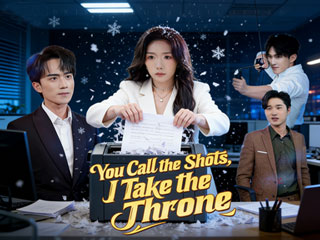
The climax of the entire drama is concentrated in two consecutive scenes: "Zac tearing up the core design plan" and "demoting Mona to a servant". These scenes bring the workplace conflict and emotional tension to their peak. Mona led the team to work overtime for several months, finally completing the core design plan that could help the company break through its bottleneck. She was full of expectations to drive the company forward and also longed for some recognition. However, when she presented the plan to Zac, Zac merely glanced at it and publicly tore it to pieces. He contemptuously denied all her efforts and mocked her, saying, "You're just a puppet who rose to power by relying on favors."
Immediately after that, Zac, citing "failure of the plan and lack of ability", issued an internal notice, demoting Mona from CEO to a low-level servant, responsible for mundane administrative and logistical tasks. The camera then switched to close-ups of the two people's expressions: Mona clenched her fists, suppressing her anger but feigning calmness in her eyes, and the trembling of her fingertips revealed her humiliation and unwillingness; Zac, on the other hand, had an arrogant and provocative look on his face, enjoying the thrill of controlling others' destinies. The silence and whispered conversations of the surrounding employees further highlighted Mona's isolation. This humiliating suppression became the final straw that broke the camel's back, and it also completely strengthened Mona's determination to plan an escape route and control her own destiny, with an intense emotional outburst.
3. Cinematic Language: Cold and Hard Colors Reflect the Workplace, Details Capture Emotional Tension
The series is highly ingenious in its use of camera language, precisely depicting the coldness of the workplace and the emotional struggles of the characters through color, composition, and close-ups. When depicting the SkyTech office scene, it mostly uses cold tones and metallic textures in the visuals, with sharp and distant lighting, highlighting the rationality and coldness of the workplace and creating a tense atmosphere of power struggle. When shooting Mona, in the early stages, it mostly used mid shots and side lighting to showcase her professional and capable demeanor as the CEO. At the same time, through close-ups, it captured her subtle expressions when being challenged - a tense jawline, dull eyes, and tightly clenched hands, hiding her patience and humiliation in the details.
When shooting Zac, the camera mostly adopts an upward angle and shadow composition to enhance his authoritative status and arrogant demeanor. When he tore up the plan and announced his demotion, the camera focused on his contemptuous expression and flamboyant movements, highlighting his paranoia and arrogance. Meanwhile, when Mona was secretly planning, the camera switched to a low angle and dark tone, and captured her actions of flipping through documents and typing on the keyboard with a slow shot. The determination in her eyes contrasted sharply with her previous restraint, hinting at an impending storm. Additionally, the spatial composition of the office holds hidden significance. Mona's CEO office is spacious but desolate, while Zac's private area is small but highly commanding. Through the contrast of space, the power imbalance is highlighted.
Acting & Characters: Rich and vivid characters, with the acting skills depicting the struggles in the workplace.
1. Mona Lark (the main character): From being grateful and patient to secretly planning schemes, the arc is nuanced and powerful.
Mona is the central and soulful character of the entire drama. The actor skillfully portrays her complete trajectory from an appreciative professional to a person who was cornered and regained control after being severely challenged. In the early part of the performance, when Mona was portrayed as a CEO who was grateful for her job, the actor demonstrated her professional qualities through a calm tone and efficient body language. When Zac initially put her to the test, her gaze showed a hint of restraint and concern for the kindness she had received, with a restrained tone yet maintaining the bottom line. After repeatedly stepping in but being suppressed, the actor's state gradually changed. The light in her eyes faded, and she appeared more tired and distant, but there was still a hint of unwillingness and determination deep within her eyes. After being demoted, she appeared compliant and numb on the surface, but through sharp eyes and composed movements, she conveyed her determination to plot secretly. The emotional transformation from restraint to awakening was delicate and layered, making the character highly resonant.

Open DramaBox to watch for free
2. Zac Leed (protagonist/antagonist): The arrogance and emptiness of a controlling person, with extremely powerful acting skills.
Zac is the most complex character in the play. The actor precisely portrays his traits of "extremely powerful, arrogant and paranoid, yet with an empty heart", avoiding the stereotypical portrayal of an antagonist. When portraying the arrogance of the person in power, the actor uses a condescending tone, flamboyant body movements, and cold eyes to vividly depict Zac's wanton manipulation of Mona and his trampling on others' values; in scenes such as tearing up the plan and announcing demotion, the actor showcases the character's paranoia and control desire to the fullest extent, with the madness and satisfaction in his eyes revealing his extreme dependence on power; at the same time, through subtle expressions, the actor hints at Zac's deep predicament - perhaps it is his rebellion against his father or his lack of confidence in his own abilities, which he proves through controlling others to assert himself, making this villainous character both detestable and with a touch of sadness, highly tense.
3. Max Leed (Background Character): Bond of Gratitude, Concealing Precedents of Power
Although Max is not a core character, he serves as a crucial bond of gratitude, connecting the entire plot. The actor portrays this character's complexity perfectly with a composed demeanor. When appearing in the early scenes, the actor conveyed Max's support and invitation as sincere through a gentle tone and earnest attitude, providing a reasonable motivation for Mona's act of repayment. In the later scenes, when observing the company's situation secretly, the depth and concern in his eyes hinted at his indulgence and helplessness towards his son Zac, laying a foreshadowing for the plot - did he know what his son was doing? Would he be a variable in Mona's plan for a fallback? The existence of Max added another layer of human relationships to the workplace power struggle, enriching the plot's complexity.
Personal Opinion: The workplace atmosphere is extremely realistic, and the act of enduring and awakening resonates deeply.
The aspect that most touched me in "You Call the Shots, I Take the Throne" is that it accurately captures the real-life pain points in the workplace, such as "power imbalance", "unfulfilled talent potential", and "conflict between gratitude and self-worth". It conveys a strong sense of empathy. The series does not deliberately exaggerate the thrilling feeling of an overcoming adversity .Beneath his paranoia and emptiness lies the loss of direction brought by power, provoking viewers to think about "power and self".
Open DramaBox to watch for free
Final Verdict: The Awakening Journey of Workplace Puppets, A Realistic Allegory of Power Struggles
"Calling the Shots, Taking the Throne" centers on "The Resilience and Strategy of the Puppet CEO". With its sharp workplace conflicts, multi-dimensional character portrayals, and atmosphere-appropriate visual language, it stands out in the workplace genre. It not only realistically criticizes workplace injustice, allowing viewers to empathize with Mona's humiliation and struggle; but also profoundly interprets the self-awakening, conveying the value of "remaining resilient within limits, adhering to the bottom line, and thus being able to control one's own destiny"; and through the depiction of power struggles.
If you enjoy workplace power struggles, human relationships, or female empowerment stories, or are interested in the plot of "the rise of a puppet in the workplace", this drama is definitely worth watching. From Mona's grateful entry into the game to her covert planning, from Zac's arrogant control to potential crises, every scene is thrilling and directly hits the pain points of the workplace.