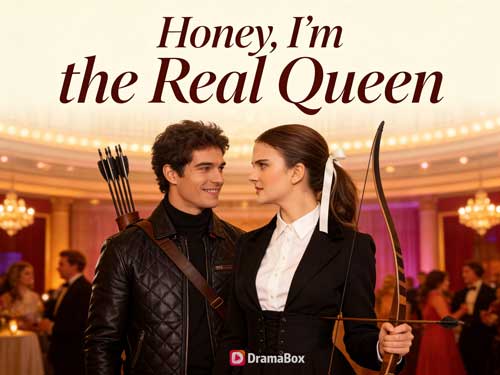

Introduction: When the Real Queen Chooses Silence Before Power
There is something endlessly satisfying about stories where the truth stays quiet, watching arrogance build itself higher and higher, only to collapse in one breathtaking moment. Honey, I'm the Real Queen DramaBox taps directly into that pleasure. This short drama is not simply about wealth or status. It is about restraint, dignity, and the courage it takes to live authentically in a world obsessed with appearances.
At first, Alicia Turner looks like the kind of heroine viewers have seen before. A rich girl hiding her background, blending into ordinary life. But the emotional core of this story is far deeper than a simple disguise. Alicia does not hide because she is ashamed of who she is. She hides because she wants to know who she can be without money speaking first. That choice sets off a chain of events that turn a quiet experiment in independence into a brutal lesson in cruelty, deception, and survival.
Honey, I'm the Real Queen DramaBox stands out in the crowded DramaBox catalog because it understands modern audiences. It knows viewers crave a strong female lead who does not rely on constant confrontation. Instead, Alicia observes, endures, and remembers. When the truth finally surfaces, it feels earned rather than performative. This is a story about patience becoming power, and silence becoming strategy.
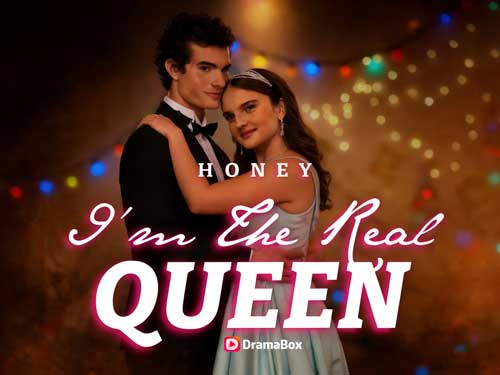
watch full episodes on DramaBox app for free!
Plot in Focus: Stolen Crowns, Broken Promises, and a Dangerous Lie
Alicia Turner enters school under a false name, determined to live like an ordinary student despite being a billionaire heiress. She dresses simply, keeps her head down, and avoids attention. Her goal is not rebellion but clarity. She wants friendships untainted by privilege and a life shaped by her own choices. But in a world driven by envy, her quietness becomes an invitation for someone else to step into her place.
Tina Anderson, a student hungry for validation and status, seizes the opportunity. Using Alicia’s hidden identity, Tina impersonates her, flaunting stolen luxuries and positioning herself as untouchable royalty on campus. What follows is a painful portrait of bullying and power imbalance. Tina’s cruelty thrives on the belief that Alicia is powerless, and Alicia’s silence allows the lie to grow unchecked.
The tension escalates toward prom night, a moment traditionally framed as glamorous and celebratory. Here, it becomes something far darker. Tina drugs and kidnaps Alicia in a desperate attempt to protect her stolen crown. This turning point shifts the tone of the series from social drama to survival thriller. Alicia’s escape is not flashy or unrealistic. It is raw, terrifying, and deeply human.
When the truth finally comes out, the fallout is swift. Tina is arrested, exposed not just as a fraud but as someone willing to destroy another person to preserve her illusion. Alicia’s real identity is revealed to the world, not as a dramatic announcement, but as an unavoidable reality. This revelation is one of the most powerful moments in Honey, I'm the Real Queen DramaBox, precisely because Alicia does not gloat. She simply stands in the truth.
The story does not end there. Three years later, the narrative shifts again as Liam Reyes, Alicia’s fiancé from the past, returns. His reappearance adds emotional depth rather than distraction. Their reunion explores trust, distance, and the cost of time lost. The romance is gentle, shaped by growth rather than obsession, and reinforces the theme that real connection requires honesty above all else.
Released as a Full Episode experience on DramaBox, the series is easy to binge, with English Subtitles and an English Version making it accessible to a global audience. Its First release on the entire network and Exclusive copyright helped it quickly gain traction among viewers searching for Free Movie style short dramas with emotional payoff.
The High School Throne: When Popularity Becomes a Weapon
One of the most compelling reasons Honey, I’m the Real Queen works so well for English speaking audiences is how sharply it captures the unspoken social politics of American high school life. This is not the glossy, musical version of campus culture. This is the hierarchy everyone remembers but rarely talks about. The lunch table alliances, the whisper networks, the way wealth and image quietly decide who gets believed and who gets ignored. Alicia’s decision to live under a hidden identity places her at the very bottom of this ecosystem, and the drama milks that tension brilliantly.
Tina’s rise is not portrayed as accidental. She understands the American obsession with status symbols and uses it with precision. Designer bags become proof of authority. Expensive cars turn into social shields. Her confidence is not rooted in who she is, but in what she appears to own. For viewers in the US, this feels painfully familiar. The show taps into the cultural idea that perception often outweighs truth, especially in teenage spaces where image spreads faster than facts.
What makes these episodes addictive is how the bullying is framed. It is rarely physical. Instead, it is social erasure. Alicia is excluded, mocked, and dismissed in ways that feel realistic rather than exaggerated. Teachers unconsciously side with Tina. Classmates laugh along to stay safe. This subtle cruelty resonates deeply because it mirrors real experiences many viewers carry into adulthood. The show does not rush through these moments. It lets the discomfort sit, which makes the eventual reversal all the more satisfying.
There is a particularly memorable sequence where Tina hosts a lavish party, claiming it as a celebration of her supposed elite background. Alicia attends quietly, watching her own life story be rewritten by someone else. The tension in that room is electric. Every laugh feels borrowed. Every compliment feels stolen. For American viewers who love slow burn payoffs, this scene is a masterclass in narrative restraint. You know the truth is coming. The only question is when and how.
Prom Night Gone Wrong: A Thriller Turn That Changes Everything
Audiences have a cultural shorthand for prom night. It is supposed to be magical, transformative, and unforgettable for all the right reasons. Honey, I’m the Real Queen takes that expectation and flips it into something terrifying. The prom episode marks a tonal shift that elevates the series from social drama into full blown suspense, and it is one of the most talked about arcs among viewers.
Up until this point, Alicia’s suffering has been emotional and social. Prom is where it becomes physical. Tina’s desperation peaks when she realizes her lies are starting to unravel. Instead of retreating, she escalates. The decision to drug and kidnap Alicia is shocking not because it feels random, but because it feels like the logical end of unchecked entitlement. Tina believes the crown belongs to her now, and she is willing to destroy anyone who threatens that belief.
watch full episodes on DramaBox app for free!
The staging of this sequence is incredibly effective. The glittering lights, the music, the formal dresses all contrast violently with the danger unfolding behind the scenes. Alicia’s vulnerability is heightened by the setting. This is not a dark alley or abandoned warehouse. It is a place associated with joy and memory. That contrast makes the fear more visceral, especially for American viewers who recognize prom as a cultural milestone.
Alicia’s escape is not glamorous. There is no sudden superhuman strength or dramatic rescue. Instead, it is messy, frantic, and deeply human. She survives by staying calm, observing details, and using her intelligence rather than brute force. This moment reframes her character entirely. She is no longer just a girl enduring injustice. She is a survivor who refuses to disappear.
The aftermath of prom night changes the power balance permanently. Tina’s actions cross a line that cannot be talked away or socially manipulated. The authorities become involved. The lies collapse under real consequences. For audiences accustomed to stories where villains face minimal accountability, this arc is deeply satisfying. The show makes a clear statement: social power does not exempt you from the law.
This thriller turn also broadens the show’s appeal. It pulls in viewers who might not usually watch campus dramas but love high tension storytelling. Prom night becomes the point where the series announces it is no longer playing small. From this moment on, everything is irreversible.
What Makes It Shine: Alicia’s Quiet Power and a Perfectly Timed Comeback
The greatest strength of Honey, I'm the Real Queen DramaBox is Alicia Turner herself. She is written as an independent woman who does not need to constantly announce her strength. Her resilience is internal. She absorbs humiliation without letting it define her, and when she finally acts, it is with clarity rather than rage. This makes her revenge feel satisfying without becoming cruel.
The hidden identity trope is familiar, but this series refreshes it by focusing on emotional consequences rather than spectacle. Alicia’s suffering is not brushed aside for quick gratification. The bullying scenes are uncomfortable, intentionally so, reminding viewers how easily power can be abused when lies go unchallenged. Yet the story never frames Alicia as weak. Her endurance is portrayed as a deliberate choice, not a failure to fight back.
Visually, the drama contrasts two worlds. Tina’s life is loud, shiny, and performative, filled with borrowed luxury and public displays. Alicia’s world is quieter, grounded in private spaces and subtle expressions. The camera frequently lingers on Alicia’s face, allowing viewers to see thought and restraint rather than reaction. This visual language reinforces the theme that true power does not need an audience.
The comeback story unfolds gradually. Instead of a single explosive reveal, the truth seeps into every corner of the narrative. Authority figures reassess their judgments. Peers confront their complicity. Tina’s collapse is not dramatic, but inevitable. This pacing gives the story a sense of justice rather than revenge fantasy.
The modern setting also plays a crucial role. Social hierarchy, peer validation, and the illusion of status feel painfully relevant. The series speaks to anyone who has ever been underestimated because they chose humility over display. Its availability through platforms like YTb clips and official DramaBox releases helped it reach viewers who actively seek stories about resilience and self definition.
Three Years Later: Love, Legacy, and Choosing Yourself
The time jump in Honey, I’m the Real Queen is where the story matures. Three years later, Alicia is no longer the girl testing life without her wealth. She is a woman who has survived exposure, betrayal, and public scrutiny. The return of Liam Reyes is not framed as a fairy tale reunion, but as a reckoning. For American audiences who value character growth, this section is emotionally rich and surprisingly grounded.
Liam represents Alicia’s past, but also a version of herself that existed before the trauma. Their reunion is cautious, layered with unspoken questions. Where was he when everything fell apart? Can love survive time, distance, and transformation? The series wisely avoids rushing their relationship. Instead, it explores how both characters have changed, and whether they still fit into each other’s lives.
What stands out is how the show refuses to make romance the ultimate reward. Alicia’s identity is no longer defined by secrecy or survival. She has reclaimed her name, her inheritance, and her autonomy. Liam must meet her on equal ground, not as a savior or an anchor, but as a partner who respects her evolution. This dynamic resonates strongly with modern American audiences who are increasingly drawn to stories about self actualization rather than dependency.
The final episodes focus heavily on legacy. Alicia confronts what it truly means to be an heiress. Not just wealth, but responsibility. Not just power, but choice. She is no longer interested in proving herself to skeptics. Her confidence is quiet and unshakable. This shift is subtle but powerful, and it redefines the meaning of the title. Being the real queen was never about public recognition. It was about self ownership.
Final Thoughts: A Queen Who Never Needed the Crown to Rule
Watching Honey, I'm the Real Queen DramaBox is a reminder that power does not always arrive loudly. Sometimes it waits, watches, and steps forward only when the moment demands it. Alicia’s journey is not about proving she is better than others. It is about reclaiming her name, her dignity, and her future on her own terms.
The series is not without minor flaws. Some secondary characters could have benefited from deeper exploration, and certain conflicts resolve quickly once the truth is revealed. However, these issues do little to undermine the emotional satisfaction of the story. The core message remains clear and resonant.
This is a drama that understands its audience. It knows viewers want a strong female lead whose growth feels earned. It respects patience, intelligence, and emotional restraint. For fans of revenge narratives grounded in realism rather than spectacle, this series is a standout.
As the final episodes close, one truth lingers. Alicia was always the queen, long before anyone else knew it. The crown was never the point. The courage to live honestly was. And that is why Honey, I'm the Real Queen DramaBox leaves such a lasting impression.
Have you watched it yet? The real question is not when the truth comes out, but whether you would have had the strength to wait for it the way Alicia did.